
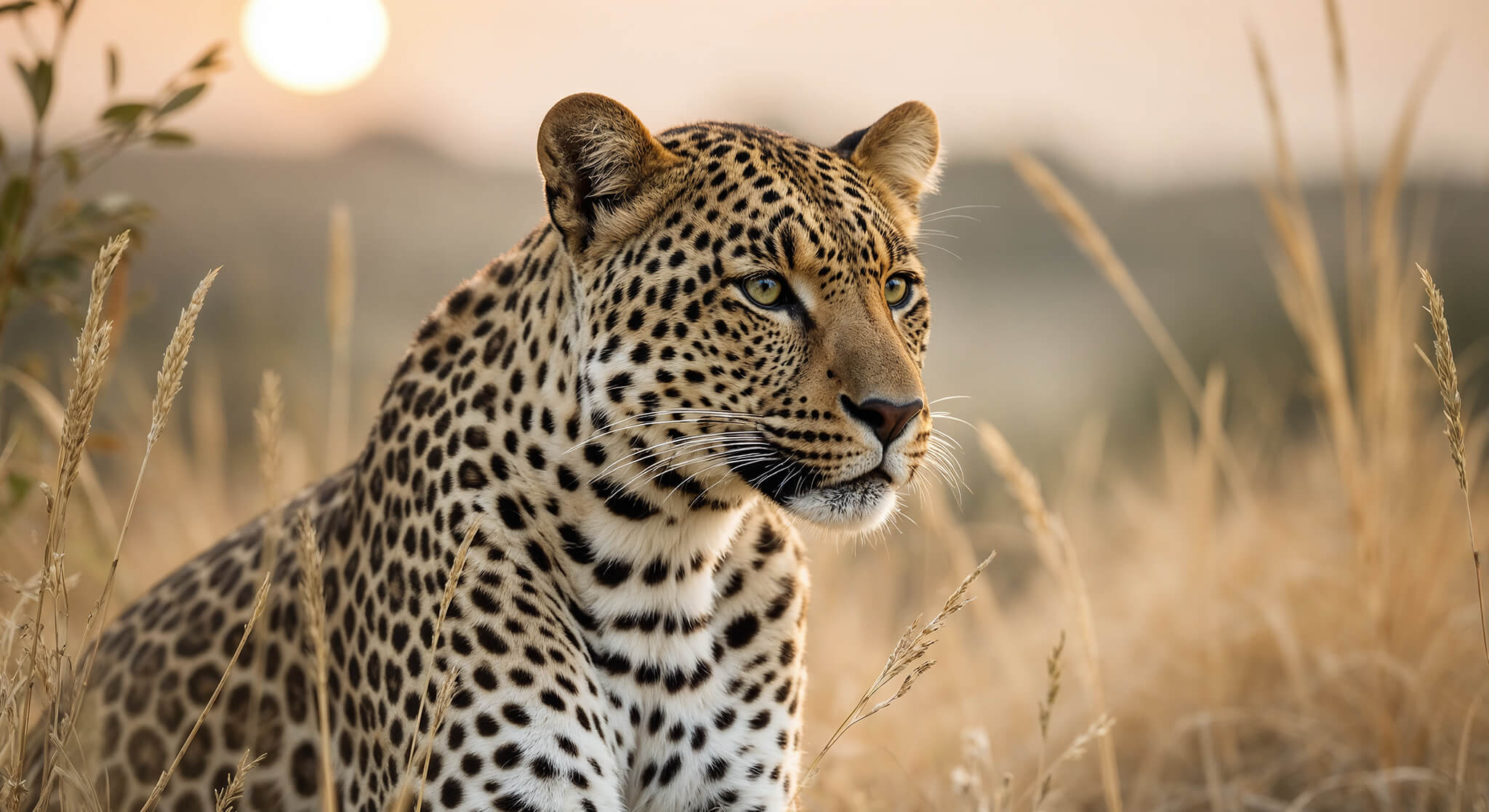
If there’s one place that defines the word “safari,” it’s the Serengeti. Endless golden plains, prides of lions lounging in the shade, and over a million wildebeest sweeping across the horizon during the Great Migration. A safari in Serengeti Tanzania is the kind of experience that stays with you forever, the trip people dream about for years and talk about for the rest of their lives.
Whether you’re a first-timer or a seasoned traveler, planning a safari in Serengeti Tanzania can feel overwhelming with so many options. That’s why we’ve put together this complete guide. We’ll cover the best time to go, the wildlife you’ll see, where to stay, how many days you need, what it costs, and the insider tips that make all the difference.
Why the Serengeti Is the Ultimate Safari Destination
The Serengeti National Park is one of the oldest and most famous ecosystems on Earth, covering roughly 5,700 square miles of savanna, woodland, and riverine forest in northern Tanzania. Its name comes from the Maasai word “Siringet,” meaning “endless plains,” and once you’re there, you’ll understand why.
This is home to the legendary Big Five (lion, leopard, elephant, buffalo, and rhino) along with cheetahs, giraffes, hippos, hyenas, and hundreds of bird species. It also hosts the Great Migration, widely considered one of the most spectacular natural events on the planet. Simply put, a safari in Serengeti Tanzania offers some of the richest, most reliable wildlife viewing anywhere in Africa.
The Great Migration: The Heart of a Serengeti Safari
You can’t talk about the Serengeti without talking about the Great Migration. Every year, more than two million wildebeest, zebra, and gazelle move in a giant circular loop across the Serengeti and into Kenya’s Masai Mara, chasing fresh grass and water.
The migration is a year-round event, so the herds are always somewhere in the ecosystem. Here’s a rough rhythm to help you plan a safari in Serengeti Tanzania around it:
- December to March: The herds gather in the southern Serengeti (Ndutu area) for the calving season, when thousands of babies are born and predators are highly active.
- April to June: The herds begin moving north and west through the central and western corridor.
- July to October: The dramatic Mara River crossings take place in the northern Serengeti, with crocodiles lying in wait. This is the most famous and sought-after spectacle.
- November: The herds start drifting back south as the short rains begin.
Timing your trip around the migration takes a little planning, but the payoff is unforgettable.
Best Time for a Safari in Serengeti Tanzania
The honest truth is that there’s no bad time for a safari in Serengeti Tanzania. The “best” time depends on what you want to see.
- June to October (dry season): The most popular window. Animals gather around water sources, vegetation is thinner, and wildlife is easy to spot. This is also peak season for the Mara River crossings.
- December to March: Wonderful for the calving season, clear skies, and lots of predator action in the south.
- April to May (long rains): The greenest, quietest, and most affordable season. You’ll trade some predictability for lower prices and far fewer crowds.
If river crossings are your dream, aim for the dry months. If you want newborn animals and dramatic predator hunts, the early-year calving season is magical.
Where to Go: The Regions of the Serengeti
The Serengeti is huge, and knowing its regions helps you plan the perfect route.
Central Serengeti (Seronera)
The classic heart of the park, famous for excellent year-round game viewing and a high density of big cats. It’s a great base for first-time visitors.
Northern Serengeti (Kogatende)
This is where the Mara River crossings happen between roughly July and October. Remote and dramatic, it’s the place to be for the migration’s most thrilling moments.
Southern Serengeti (Ndutu)
The short-grass plains here host the calving season from December to March, drawing huge numbers of wildebeest and the predators that follow them.
Western Corridor
Following the Grumeti River, this area sees the migration pass through around May and June and offers a quieter, more exclusive experience.
How Many Days Do You Need?
A common question when booking a safari in Serengeti Tanzania is how long to stay. Here’s a simple guide:
- 3 days: Enough for a focused taste of the Serengeti, ideal if you’re short on time.
- 4 to 5 days: A comfortable amount of time to explore more than one region and slow down.
- 6 days or more: Perfect for following the migration, visiting multiple areas, and adding nearby gems like the Ngorongoro Crater and Tarangire National Park.
Most travelers combine the Serengeti with Ngorongoro and Tarangire on Tanzania’s northern circuit, which makes for an incredible week-long adventure.
Where to Stay on a Serengeti Safari
Accommodation ranges from comfortable mid-range camps to ultra-luxury tented camps and lodges. Your options include:
- Luxury tented camps: Spacious canvas suites with real beds, ensuite bathrooms, and hot showers, often in prime wildlife locations.
- Safari lodges: Permanent buildings with pools, restaurants, and sweeping views.
- Mobile camps: Camps that move with the migration so you’re always close to the herds.
For honeymooners and luxury travelers, a tented camp delivers that magical “sleeping under the stars” feeling without giving up comfort. A good safari planner will match your accommodation to your route and travel dates.
What to Expect on Your Game Drives
The classic way to explore is by 4×4 game drive, usually in the cool early morning and late afternoon when animals are most active. With an expert guide spotting wildlife and sharing their knowledge, every drive feels like an adventure.
Beyond game drives, a safari in Serengeti Tanzania can include extras that take things to the next level:
- Hot air balloon safaris at sunrise, followed by a champagne breakfast on the plains
- Bush dinners and sundowners under an enormous African sky
- Guided walking safaris in certain areas for a closer, on-foot experience
- Photography-focused drives for those chasing the perfect shot
How Much Does a Safari in Serengeti Tanzania Cost?
Costs vary widely based on season, accommodation, and trip length, but here’s a realistic guide per person (excluding international flights):
- Mid-range safari: roughly $300 to $600 per person per day
- Luxury safari: roughly $600 to $1,200 per person per day
- Ultra-luxury and exclusive camps: $1,200 and up per person per day
These prices typically include accommodation, all meals, game drives with a guide, park fees, and transfers. A safari in Serengeti Tanzania is a significant investment, but the private guiding, remote camps, and seamless logistics make it worth every penny.
Tips for Planning Your Serengeti Safari
A few insider pointers to make everything smoother:
- Book early. The best camps sell out 8 to 12 months ahead, especially during migration season.
- Match your dates to the wildlife. Decide whether you want river crossings, calving season, or general game viewing, then plan around it.
- Combine parks. Pairing the Serengeti with Ngorongoro and Tarangire gives you incredible variety.
- Pack light and neutral. Soft, earth-toned clothing and small bags work best for the light aircraft that reach remote camps.
- Use a trusted specialist. A dedicated Tanzania safari company handles flights, transfers, and camp choices so you can simply relax and enjoy.
Frequently Asked Questions
- What is the best time for a safari in Serengeti Tanzania? June to October is the most popular for excellent wildlife viewing and Mara River crossings. December to March is ideal for the calving season and clear skies, while April to May is the quietest and most affordable.
- How many days do I need for a Serengeti safari? Three days gives you a solid taste, but four to six days is ideal so you can explore more than one region and slow down. Many travelers add Ngorongoro and Tarangire for a full week-long trip.
- How much does a Serengeti safari cost? Expect roughly $300 to $600 per person per day for a mid-range trip and $600 to $1,200 or more for luxury, excluding international flights. Prices depend on season, accommodation, and trip length.
- Can I see the Great Migration in the Serengeti? Yes. The migration happens within the Serengeti year-round, moving between the south (December to March), the central and western areas (April to June), and the north (July to October) for the famous river crossings.
- What animals will I see on a Serengeti safari? You can expect lions, leopards, elephants, buffalo, and rhinos (the Big Five), plus cheetahs, giraffes, zebras, hippos, hyenas, wildebeest, and hundreds of bird species.
- Is the Serengeti safe for tourists? Yes. The Serengeti is one of the world’s most popular and well-managed safari destinations. Traveling with a reputable operator and following your guide’s advice keeps your trip safe and stress-free.
- Where should I stay in the Serengeti? Options range from comfortable mid-range camps to luxury tented camps, lodges, and mobile camps that follow the migration. Your ideal choice depends on your budget, travel dates, and the region you want to explore.
- How do I get to the Serengeti? Most travelers fly into Kilimanjaro International Airport, then take a short connecting light aircraft flight into the park, or travel by road through the northern circuit. A safari operator arranges all transfers for you.
- Do I need vaccinations or a visa to visit Tanzania? Most visitors need a tourist visa (often available online or on arrival), and a Yellow Fever certificate may be required if arriving from certain countries. Always check the latest entry and health requirements before traveling.
- Can I combine a Serengeti safari with a beach holiday? Absolutely. Many travelers pair a safari in the Serengeti with a few relaxing days on the beaches of Zanzibar, which makes for a perfect mix of adventure and relaxation.
Ready to Experience the Serengeti for Yourself?
A safari in Serengeti Tanzania is more than a vacation. It’s a front-row seat to one of the greatest wildlife shows on Earth, from thundering migration herds to lazy lions basking in the golden light. Whether you’re chasing the Great Migration, celebrating a special occasion, or simply ticking off a lifelong dream, the Serengeti delivers in every way.
Let our Tanzania safari experts design a custom safari in Serengeti Tanzania built entirely around your travel dates, budget, and dream wildlife sightings. Contact BookMeAfrica today for a free, no-obligation quote, and let’s start planning your unforgettable Serengeti adventure, together.