
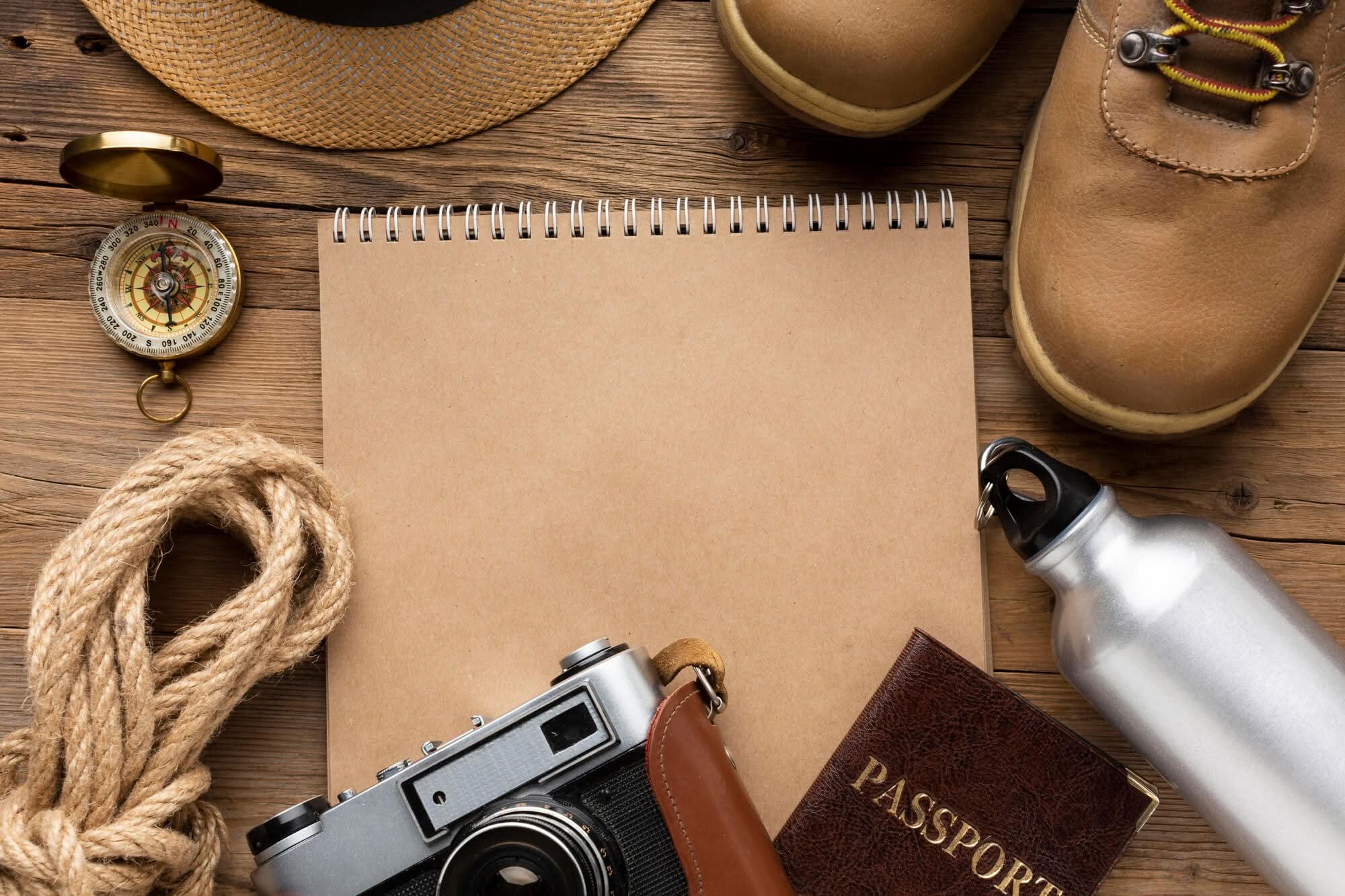
A Tanzania safari packing list should include lightweight neutral-colored clothing, comfortable walking shoes, a wide-brimmed hat, sunscreen, insect repellent, binoculars, a camera, reusable water bottle, travel documents, and any required medications. The exact items vary depending on the season, destination, and safari activities such as walking safaris, fly camping, or balloon safaris.
Planning Your Tanzania Safari? Pack Smart for an Unforgettable Adventure
Packing for a safari is very different from packing for a regular vacation. Tanzania’s landscapes range from the open plains of the Serengeti to the forests of Lake Manyara, the remote wilderness of Ruaha, and the tropical beaches of Zanzibar. Weather conditions, safari activities, and the time of year all influence what you should bring.
Whether you’re heading out on a Safari in Serengeti Tanzania, enjoying a luxury tent safari in Tanzania; embarking on a Northern Circuit safari; or following The Great Migration, packing the right gear ensures you’ll stay comfortable throughout your journey.
This guide covers everything you need to pack for every season, along with practical tips from experienced safari travelers.
Tanzania Safari Packing Checklist
Before you leave home, make sure you have these essential items.
Essential Clothing
Choose breathable, lightweight clothing in neutral colors such as khaki, olive, beige, and grey. These colors help you stay cool while blending into the natural environment.
Pack:
- 4–5 lightweight safari shirts
- 3–4 quick-dry trousers
- 2 pairs of shorts (where appropriate)
- Lightweight fleece or jacket
- Waterproof rain jacket
- Comfortable sleepwear
- Undergarments and socks
- Wide-brim safari hat
- Sunglasses with UV protection
- Swimsuit (for lodges with pools)
Avoid bright colors, camouflage clothing, and dark blue or black garments, as they can attract insects or may not be permitted in some countries.
Footwear
Your safari often involves getting in and out of vehicles, short nature walks, and exploring safari camps.
Recommended footwear includes:
- Comfortable walking shoes
- Lightweight hiking boots (for walking safaris)
- Sandals or flip-flops for the lodge
- Moisture-wicking socks
If you’re planning fly camping in Tanzania or a walking safari, supportive hiking shoes are highly recommended.
Safari Essentials
These items make your safari much more enjoyable.
Don’t forget to pack:
- Binoculars
- Camera with extra batteries
- Extra memory cards
- Power bank
- Universal travel adapter (Type G is commonly used in Tanzania)
- Reusable water bottle
- Small backpack for daily game drives
- Headlamp or flashlight
- Travel journal
- Dry bags for electronics
Photography enthusiasts may also want to bring a telephoto lens for wildlife photography and a wide-angle lens for landscapes.
Health & Personal Care
Many safari destinations are remote, so it’s wise to carry a personal health kit.
Include:
- Prescription medications
- Basic first-aid supplies
- Insect repellent
- Sunscreen (SPF 30+)
- Lip balm with SPF
- Hand sanitizer
- Wet wipes
- Motion sickness tablets (if needed)
- Rehydration salts
- Allergy medication
Consult your healthcare provider before traveling to discuss recommended vaccinations and malaria prevention for your itinerary.
What to Pack by Season
Tanzania has two main safari seasons, and packing accordingly helps you stay comfortable throughout your trip.
Dry Season (June–October)
The dry season is the most popular time to visit Tanzania, offering exceptional wildlife viewing as animals gather around rivers and waterholes.
During this period:
- Days are warm and sunny.
- Early mornings and evenings can be chilly.
- Dust levels are higher on game drives.
Pack:
- Lightweight shirts
- Long trousers
- Warm fleece
- Windproof jacket
- Buff or scarf for dusty roads
- Closed-toe shoes
- Sunglasses
- Moisturizer and lip balm
It’s also the best season for experiences like a balloon safari, where early morning temperatures can be surprisingly cool.
Green Season (November–March)
The green season transforms Tanzania into a lush paradise with fewer crowds, dramatic scenery, and excellent birdwatching opportunities.
During this season, you’ll enjoy:
- Beautiful green landscapes
- Migratory birds
- Fewer safari vehicles
- Excellent photography conditions
- Calving season safari opportunities in the southern Serengeti
Pack:
- Quick-dry clothing
- Waterproof rain jacket
- Waterproof backpack cover
- Extra socks
- Insect repellent
- Lightweight waterproof shoes
The green season is also an ideal time for a birding safari, with hundreds of resident and migratory bird species visible across Tanzania.
Shoulder Seasons (April–May & November)
Rain showers are more common during these months, but many travelers enjoy lower prices and quieter parks.
Consider packing:
- Compact umbrella
- Waterproof jacket
- Quick-drying clothing
- Waterproof bags for electronics
- Spare footwear
Many luxury lodges remain open during these months, making it a wonderful opportunity to enjoy a luxury tent safari in Tanzania at attractive seasonal rates.
Travel Documents You Should Carry
Before you leave for Tanzania, keep your travel documents organized and easily accessible.
Your essentials should include:
- Passport (valid for at least six months)
- Tanzania visa (if required)
- Return flight tickets
- Travel insurance documents
- Hotel and safari booking confirmations
- Emergency contact information
- Copies of important documents (digital and printed)
- Vaccination certificates (if applicable)
Keeping digital copies stored securely on your phone or cloud storage can be extremely helpful in case of loss.
Camera & Photography Gear
A Tanzania safari offers countless opportunities to capture incredible wildlife and landscapes, so packing the right photography equipment is essential.
Recommended gear includes:
- DSLR or mirrorless camera
- Telephoto lens (200–600mm)
- Wide-angle lens for landscapes
- Extra batteries
- Multiple memory cards
- Camera cleaning kit
- Lens cloth
- Lightweight tripod (optional)
- Waterproof camera bag
If you’re planning a balloon safari, you’ll have the chance to photograph breathtaking sunrise views over the Serengeti. For those visiting during the Great Migration, a telephoto lens is especially useful for capturing dramatic wildlife action from a safe distance.
Luggage Restrictions for Safari Flights
Many Tanzania safari itineraries include domestic flights between national parks. These flights often have strict baggage limits.
Most bush flights allow the following:
- Maximum luggage: 15–20 kg (33–44 lbs), including hand luggage
- Soft-sided duffel bags only (hard-shell suitcases are generally not accepted)
- Compact camera equipment and personal items
Packing in a soft duffel bag makes loading and unloading easier on smaller aircraft and helps you avoid unnecessary baggage fees.
Packing Tips for Different Safari Experiences
Your packing list may vary depending on the type of safari you’ve booked.
Safari in Serengeti, Tanzania
Bring:
- Neutral-colored clothing
- Binoculars
- Camera
- Dust scarf
- Warm jacket for early morning game drives
Luxury Tent Safari Tanzania
Luxury tented camps provide most amenities, so you can pack lighter.
Focus on:
- Comfortable safari clothing
- Smart casual evening wear
- Personal toiletries
- Camera equipment
Walking Safari & Fly Camping
If your itinerary includes fly camping in Tanzania or guided walking safaris, pack:
- Lightweight hiking boots
- Refillable water bottle
- Small daypack
- Headlamp
- Breathable long-sleeved shirts
- Walking trousers
These items will help you stay comfortable while exploring Tanzania’s wilderness on foot.
Family & Kids Safari
Family & Kids Safari: Families traveling with children should also pack the following:
- Favorite snacks
- Reusable water bottles
- Children’s medications
- Entertainment for transfers
- Sun hats
- Extra sunscreen
- Lightweight jackets
Planning ahead helps ensure a stress-free safari for both parents and children.
Common Safari Packing Mistakes to Avoid
Even experienced travelers sometimes overpack or bring unsuitable clothing. Avoid these common mistakes:
- Packing bright-colored clothing that can disturb wildlife.
- Bringing large hard-shell suitcases on bush flights.
- Forgetting a warm layer for chilly mornings.
- Packing too many unnecessary outfits can be a problem.
- Leaving binoculars at home.
- Carrying single-use plastic bags, which are restricted in Tanzania.
- Ignoring airline baggage limits.
- Wearing brand-new hiking boots without breaking them in first.
Packing smart rather than packing heavy will make your safari far more comfortable.
Frequently Forgotten Items
Many travelers remember their camera but overlook smaller essentials that can make a big difference.
Don’t forget:
- Extra charging cables
- Portable power bank
- Spare camera batteries
- Reusable shopping bag
- Lip balm
- Travel-size detergent
- Laundry bag
- Binocular cleaning cloth
- Notebook and pen
- Neck pillow for transfers
These simple additions can make long travel days and remote safari camps much more convenient.
People Also Ask
- What clothes should I wear on a Tanzania safari?
Wear lightweight, breathable clothing in neutral colors such as khaki, olive, beige, and grey. Long sleeves and trousers help protect against the sun and insects. - Can I wear shorts on safari?
Yes, shorts are acceptable around safari lodges and during warmer parts of the day. However, long trousers are recommended for walking safaris and cool early-morning game drives. - How much luggage can I take on a Tanzania safari?
Most domestic safari flights allow 15–20 kg (33–44 lbs) in soft-sided luggage. Always confirm baggage allowances with your tour operator before traveling. - Do I need hiking boots for a safari?
Comfortable walking shoes are sufficient for standard game drives. Hiking boots are recommended if your itinerary includes a walking safari or fly camping in Tanzania. - Should I bring binoculars on safari?
Absolutely. Binoculars significantly enhance wildlife viewing by allowing you to spot birds, distant predators, and other animals that may not be easily visible with the naked eye.
Frequently Asked Questions
- Can I do laundry during my safari?
Yes. Most safari lodges and luxury tented camps offer laundry services, allowing you to pack fewer clothes for longer trips. - Are plastic bags allowed in Tanzania?
No. Tanzania has strict regulations restricting plastic bags. Use reusable packing cubes or cloth bags instead. - What colors should I avoid wearing?
Avoid bright colors, camouflage patterns, and dark blue or black clothing. Neutral earth tones are the best choice for safari activities. - Do I need a power adapter?
Yes. Tanzania commonly uses Type G electrical outlets, so bringing a universal travel adapter is recommended. - What’s the most important item to pack?
Comfortable walking shoes, lightweight clothing, sunscreen, insect repellent, binoculars, travel documents, and a camera are among the most important essentials for a successful safari.
Final Thoughts
Packing well is one of the easiest ways to make your Tanzania safari more enjoyable. The right clothing, travel essentials, and equipment allow you to focus on what really matters—immersing yourself in unforgettable wildlife encounters and spectacular landscapes.
Whether you’re embarking on a safari in Serengeti, Tanzania, witnessing the Great Migration; enjoying a luxury tent safari in Tanzania; exploring on a northern circuit safari; spending a night fly-camping in Tanzania; or celebrating with one of our Tanzania honeymoon packages, thoughtful preparation ensures a smooth and memorable adventure from start to finish.
Plan Your Tanzania Safari
Ready to experience Tanzania’s incredible wildlife?
Plan Your Tanzania Safari: Our safari specialists create tailor-made itineraries featuring iconic destinations, luxury lodges, walking safaris, fly-camping adventures, and unforgettable wildlife experiences.