7-Day Tanzania Safari Itinerary: The Perfect First Safari in 2026
The ideal 7-Day Tanzania Safari Itinerary follows the Northern Circuit: Day 1 arrive in Arusha, Day 2 explore Tarangire, Days 3–5 experience Serengeti National Park, Day 6 visit Ngorongoro Crater, and Day 7 explore Lake Manyara before returning to Arusha. This route combines Tanzania’s best wildlife, landscapes, and Big Five viewing.
Why Is 7 Days Ideal for a Tanzania Safari?
Seven days is a sweet spot for first-time safari travelers.
It’s long enough to explore several ecosystems without turning your holiday into a race between national parks. More importantly, it allows you to spend multiple days in the Serengeti rather than simply driving through it.
A well-designed Northern Circuit Safari gives you opportunities to experience:
- Serengeti National Park
- Tarangire National Park
- Ngorongoro Crater
- Lake Manyara National Park
- The Big Five
- Big cats
- Hundreds of bird species
- The Great Migration, depending on season
Current itineraries commonly devote two to three days to the Serengeti, reinforcing that a seven-day trip should prioritize quality time there rather than squeezing too many destinations into the week.
Let’s look at the itinerary day by day.
Day 1: Arrive in Arusha—Your Safari Begins
Welcome to Tanzania!
Most international travelers arrive through Kilimanjaro International Airport (JRO) before transferring to Arusha, the traditional gateway to Tanzania’s Northern Safari Circuit.
Plan to keep your first day intentionally relaxed.
After checking into your hotel, you’ll have time to recover from your flight and meet your safari guide for a pre-safari briefing.
Use the evening to:
- Check your camera equipment
- Charge batteries
- Organize luggage
- Discuss dietary requirements
- Confirm your safari schedule
- Get a good night’s sleep
If you’re arriving early, you can explore Arusha or simply relax before the adventure begins.
Overnight: Arusha
Day 2: Arusha to Tarangire National Park
After breakfast, leave Arusha and travel toward Tarangire National Park.
Tarangire is an excellent introduction to Tanzania because its landscape looks entirely different from the Serengeti.
Ancient baobab trees dominate the scenery while the Tarangire River provides an important water source for wildlife, particularly during the dry season.
What Can You See in Tarangire?
Keep an eye out for:
- Elephants
- Lions
- Giraffes
- Zebras
- Wildebeest
- Buffalo
- Leopards
- Antelope
Tarangire is particularly famous for its elephants and birdlife.
For travelers interested in a birding safari, the park adds significant variety to a seven-day itinerary.
After your game drive, continue to your lodge or tented camp for dinner.
Overnight: Tarangire/Karatu area
Day 3: Tarangire to Serengeti National Park
Day three brings you to the destination you’ve probably been dreaming about: Serengeti National Park.
You’ll travel toward the Ngorongoro Highlands before descending toward the seemingly endless Serengeti plains.
The journey itself is part of the safari. Watch the landscape gradually transform as forests and highlands give way to vast savannah.
Once inside the Serengeti, your transfer effectively becomes a game drive.
You may encounter:
- Lions
- Cheetahs
- Elephants
- Giraffes
- Hyenas
- Zebras
- Wildebeest
- Gazelles
Your first safari in Serengeti Tanzania provides an introduction to one of the world’s most celebrated wildlife ecosystems.
A Luxury Tent Safari Tanzania is particularly appealing here because you can stay surrounded by wilderness while retaining the comfort of a proper bed, private bathroom and excellent dining.
Overnight: Serengeti
Day 4: Full-Day Serengeti Safari
Day four should be dedicated entirely to exploring the Serengeti.
This is where many rushed itineraries go wrong. They try to cover too much territory instead of allowing enough time for wildlife encounters.
A full day gives your guide flexibility to follow wildlife activity rather than following a rigid transfer schedule.
You might begin with an early morning drive when predators are particularly active.
The Central Serengeti’s Seronera region is known for excellent year-round game viewing and strong predator populations.
Possible sightings include:
- Lions hunting
- Leopards resting in trees
- Cheetahs scanning open plains
- Elephants moving between feeding areas
- Hippos gathering around pools
- Large herds of antelope
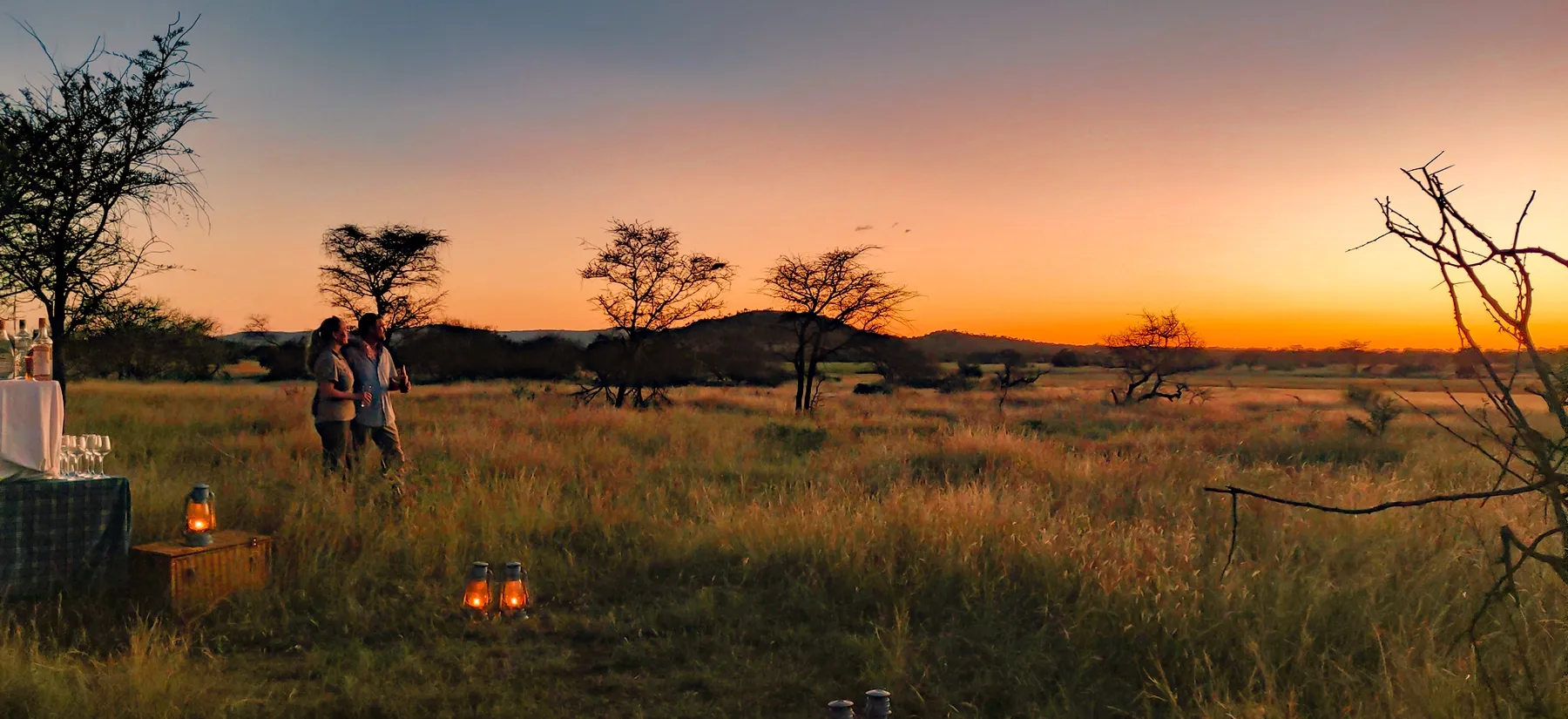
If you’re celebrating something special, this is also where a honeymoon safari, romantic safari, or even a customized wedding safari can incorporate private meals, sundowners, and more exclusive experiences.
Overnight: Serengeti
Day 5: Serengeti & The Great Migration
Your second full Serengeti day allows the itinerary to adapt to the season.
That’s important because the Great Migration isn’t permanently located in one section of the Serengeti.
The herds move through the wider ecosystem according to rainfall and grazing conditions.
January–March
The southern plains and Ndutu region become particularly important during the calving period.
A calving season safari can reveal huge wildebeest herds, newborn calves, and intense predator activity.
April–June
The herds generally progress northward through different sections of the ecosystem as conditions change.
July–October
Northern areas become especially important as migrating herds approach and cross rivers, although exact crossing dates can never be guaranteed.
November–December
Seasonal rains influence the herds’ movement back toward southern grazing areas.
If seeing the migration is your main goal, your seven-day itinerary should therefore be customized around your travel month, rather than using exactly the same Serengeti camps throughout the year.
Current seven-day migration itineraries similarly adjust destinations according to seasonal wildlife movement rather than treating the Serengeti as a single fixed location.
Overnight: Serengeti
Should You Add a Balloon Safari?
If your budget allows, consider adding a Balloon Safari during your Serengeti stay.
You’ll typically depart around sunrise and float above the plains as the landscape comes alive below.
It’s particularly suited to:
- Honeymooners
- Photographers
- Anniversary trips
- Luxury travelers
- Bucket-list safari experiences
For couples, it can also be incorporated into Tanzania Honeymoon Packages, combining the safari with a relaxing Zanzibar beach extension.
Day 6: Serengeti to Ngorongoro Crater
After a final morning in the Serengeti, begin your journey toward the Ngorongoro Conservation Area.
Ngorongoro Crater is one of the most extraordinary wildlife environments in Tanzania.
The huge volcanic caldera supports a remarkable concentration of animals, giving travelers opportunities to see:
- Lions
- Elephants
- Buffalo
- Hippos
- Hyenas
- Zebras
- Wildebeest
- Black rhinos
The crater is particularly important for first-time visitors hoping to complete their Big Five sightings.
Depending on your itinerary, you may stay around Karatu or near the crater rim.
Overnight: Ngorongoro/Karatu
Day 7: Lake Manyara National Park & Return to Arusha
Your final safari day takes you to Lake Manyara National Park.
Although smaller than the Serengeti, Manyara packs remarkable ecological diversity into a compact area.
The park is associated with:
- Elephants
- Baboons
- Hippos
- Giraffes
- Diverse birdlife
- Rift Valley scenery
- Tree-climbing lions, although sightings are never guaranteed
A shorter game drive works well here before returning toward Arusha or Kilimanjaro International Airport.
Current seven-day itineraries frequently use Lake Manyara as either an opening or closing park because its compact geography fits efficiently into the Northern Circuit route.
And with that, your 7-Day Tanzania Safari Itinerary comes to an end—but seven days is only one way to structure the trip.
How Much Does a 7-Day Tanzania Safari Cost in 2026?
The cost of a 7-day Tanzania safari itinerary varies depending on your travel dates, accommodation style, group size, park fees, transportation, and whether you choose a private or shared safari.
Rather than relying on a fixed package price, consider the main factors that influence your total safari cost:
- Accommodation: Your choice between camping, mid-range lodges, luxury tented camps, and premium safari lodges can significantly affect the overall price.
- Season: Peak safari months generally have higher accommodation rates, while the green and shoulder seasons may offer better value.
- Private vs. shared safari: Private safaris provide greater flexibility, while sharing a safari vehicle can reduce the per-person cost.
- Park fees: A seven-day Northern Circuit itinerary may include several protected areas. Check the latest Tanzania Park Fees 2026 when planning your budget.
- Internal flights: Flying between destinations can save valuable travel time but will increase your overall safari cost.
- Optional experiences: A balloon safari, cultural experiences, private activities, and other safari add-ons may be charged separately.
Before booking, request a detailed safari quotation showing exactly what is included and excluded. This makes it easier to compare packages and avoid unexpected expenses.
If your itinerary includes Serengeti National Park, Ngorongoro Crater, Tarangire National Park, and Lake Manyara, reviewing the latest Tanzania Park Fees 2026 is particularly important because park and conservation charges can represent a significant part of your overall safari budget.
What’s Usually Included in a 7-Day Tanzania Safari?
Most organized safari packages include many of the major expenses required to complete the Northern Circuit.
Typical inclusions are
- Professional safari guide
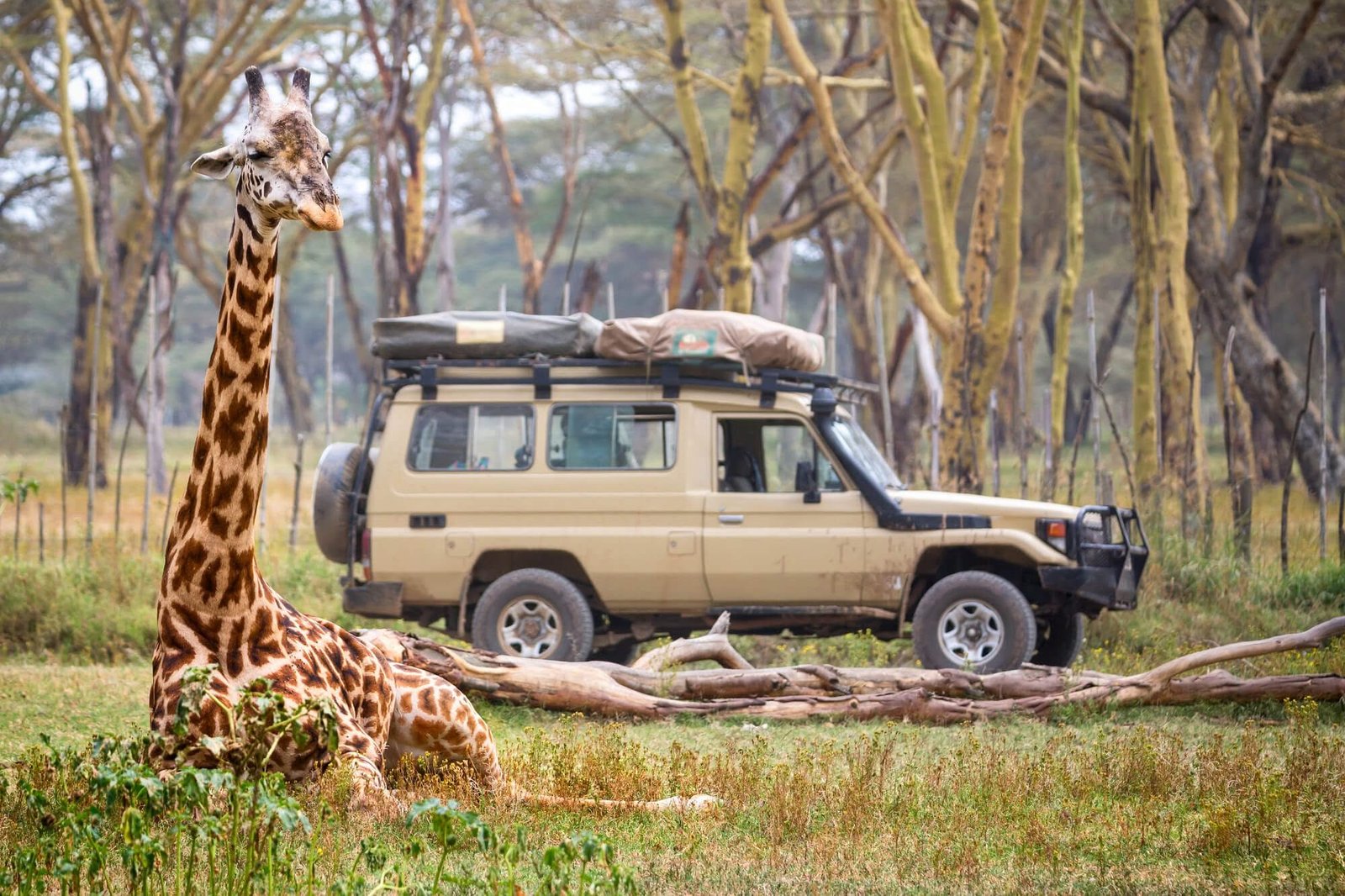
- Private or shared 4×4 vehicle
- Accommodation
- Meals according to the itinerary
- Drinking water during game drives
- Scheduled game drives
- Airport transfers
- Park-fee arrangements
- Selected government taxes
Premium packages may also include domestic flights, laundry, premium drinks, private dining, and other personalized experiences.
Always request a detailed list of inclusions before comparing prices.
What’s Usually Not Included?
Depending on your package, you may need to budget separately for:
- International flights
- Tanzania visa
- Travel insurance
- Guide and camp staff gratuities
- Alcoholic beverages
- Personal purchases
- Optional cultural activities
- Balloon safaris
- Additional nights before or after the safari
A cheaper advertised safari isn’t necessarily better value if important expenses are excluded.
Best Time for a 7-Day Tanzania Safari
Tanzania can be visited throughout the year, but your travel month changes the scenery, wildlife experience, visitor numbers, and sometimes the cost.
January to March – Best for Calving
January through March is particularly exciting in the southern Serengeti ecosystem.
A calving season safari gives you the opportunity to see large wildebeest herds with newborn calves. This abundance of prey can also create excellent opportunities for observing lions, cheetahs, and hyenas.
If this is your priority, modify the standard itinerary to spend more time around the southern Serengeti/Ndutu ecosystem.
April to May – Best for Value & Fewer Crowds
The long rains make the landscape beautifully green.
Advantages can include:
- Fewer safari vehicles
- Lush scenery
- Excellent photography
- Lower seasonal accommodation rates at some properties
- Exceptional birdlife
Travelers interested in a birding safari may particularly appreciate the greener months.
June to October – Best for Classic Safari Conditions
The dry season is one of Tanzania’s most popular safari periods.
Wildlife becomes easier to locate around water sources, vegetation is generally less dense, and conditions are excellent for traditional game drives.
July through October can also offer opportunities to encounter migration herds in northern areas of the Serengeti, although wildlife movements and river crossings can never be guaranteed for a specific day.
November to December – Green Season
Short seasonal rains begin transforming the landscape.
This can be a rewarding period for travelers looking for green scenery, good birdwatching, fewer crowds in some locations, and excellent photographic conditions.
Is 7 Days Enough for a Tanzania Safari?
Yes. Seven days is enough for a first Tanzania safari, particularly when you concentrate on the Northern Circuit.
A week gives you time to visit Tarangire, Serengeti, Ngorongoro, and Lake Manyara without making the itinerary excessively long.
However, don’t try to add too many destinations.
For most travelers, spending two or three nights in the Serengeti is more rewarding than visiting another national park simply to add its name to the itinerary.
If you have 10–14 days available, you could add southern Tanzania, Zanzibar, or additional Serengeti regions.
Budget vs Luxury: Which Safari Should You Choose?
Budget Safari
Choose budget if wildlife is your priority and you’re comfortable with simpler accommodation.
You’ll still explore the same national parks and have opportunities to see the same animals.
Mid-Range Safari
For most first-time travelers, mid-range offers the best balance.
You’ll typically have:
- Comfortable accommodation
- Private bathrooms
- Good meals
- Quality safari vehicles
- Convenient park locations
Luxury Safari
A Luxury Tent Safari Tanzania is ideal if you want the wilderness experience without sacrificing premium comfort.
Luxury camps may provide spacious tented suites, exceptional dining, private guiding, sundowners, bush breakfasts, and more personalized service.
How to Customize Your 7-Day Tanzania Safari
The best itinerary isn’t necessarily the one followed by everyone else. Adjust your seven days around why you’re visiting Tanzania.
- For Families: A Family & Kids Safari should use shorter game drives, family-friendly camps, flexible meal times, and ideally a private vehicle. You might also reduce the number of hotel changes to make the trip easier for younger travelers.
- For Honeymooners: A Honeymoon Safari can include romantic tented camps, private sundowners, bush dinners, and a Balloon Safari over the Serengeti. You can also extend the trip with Tanzania Honeymoon Packages combining safari adventures with Zanzibar’s beaches.
- For Couples: A Romantic Safari doesn’t have to be your honeymoon. Private game drives, secluded camps, sunset drinks, and special dining experiences can transform a standard Northern Circuit itinerary into a memorable couples’ escape.
- For Destination Weddings: Couples considering a Wedding Safari can combine a small wilderness ceremony with private safari experiences before continuing to Zanzibar for a beach celebration or honeymoon.
What to Pack for a 7-Day Tanzania Safari
Don’t overpack—especially if your itinerary includes small aircraft.
Bring:
- Lightweight neutral-colored shirts
- Comfortable trousers
- Warm fleece or jacket
- Comfortable walking shoes
- Wide-brimmed hat
- Sunglasses
- Sunscreen
- Insect repellent
- Binoculars
- Camera
- Extra batteries
- Memory cards
- Reusable water bottle
- Personal medications
- Travel documents
- Small daypack
Early-morning Serengeti and Ngorongoro game drives can feel surprisingly cool, so dressing in layers is useful.
5 People Also Ask
- What is the best 7-day Tanzania safari itinerary?
The best 7-day Tanzania safari itinerary for first-time visitors is Arusha → Tarangire → Serengeti → Ngorongoro Crater → Lake Manyara → Arusha. It combines Tanzania’s most famous Northern Circuit parks with excellent Big Five and predator-viewing opportunities. - How much does a 7-day Tanzania safari cost?
A 7-day Tanzania safari can cost approximately $1,750–$2,800 per person for budget travel, $2,800–$4,900 for mid-range travel, and $4,900–$10,500+ for luxury experiences, depending on season and inclusions. - Is seven days enough for Serengeti and Ngorongoro?
Yes. Seven days provides enough time to spend several days in the Serengeti and also visit Ngorongoro Crater and one or two additional Northern Circuit parks. - Which parks should I visit on my first Tanzania safari?
For a first trip, prioritize Serengeti National Park, Ngorongoro Crater, and Tarangire National Park. Lake Manyara can be added when the route and available time make sense. - Can you see the Great Migration on a 7-day safari?
Yes, potentially. A seven-day itinerary can be designed around the Great Migration, but the best Serengeti region depends on the month. Because the herds follow rainfall and grazing conditions, exact wildlife locations and river crossings cannot be guaranteed.
Frequently Asked Questions
- Do I need a private safari vehicle for seven days?
No, but a private vehicle gives you more control over departure times, game-drive length, photography stops, and rest breaks. It’s especially useful for families and couples. - Should I spend two or three nights in the Serengeti?
Three nights is ideal when your budget allows. More time increases your opportunities for meaningful wildlife encounters without constantly packing and changing camps. - Can I add Zanzibar after my 7-day safari?
Absolutely. A safari followed by three to five nights in Zanzibar is one of Tanzania’s most popular combinations, particularly for honeymooners and couples. - Is a 7-day Northern Circuit Safari tiring?
It can involve several driving days, but good itinerary design prevents it from feeling rushed. Spending consecutive nights in the Serengeti and choosing strategically located accommodation makes a significant difference. - Should I book my 2026 safari early?
Yes, particularly if you’re traveling during popular migration periods, Christmas/New Year, or booking specific luxury camps. Early planning gives you more accommodation and itinerary options.
Final Verdict: Is a 7-Day Tanzania Safari Worth It?
Absolutely.
For a first visit, a 7-day Tanzania safari itinerary provides an excellent balance between wildlife, scenery, travel time, and budget.
You’ll experience elephant-rich Tarangire, spend several days on a Safari in Serengeti Tanzania, descend into the extraordinary Ngorongoro Crater, and finish with the diverse landscapes of Lake Manyara.
More importantly, the itinerary can be personalized.
Travel during calving season for predator action, adjust your Serengeti camps to follow The Great Migration, upgrade to a Luxury Tent Safari Tanzania, or turn your adventure into a family vacation, honeymoon, romantic escape, or wildlife photography journey.
Plan Your 7-Day Tanzania Safari
Planning your first Tanzania safari?
Our tailor-made Northern Circuit Safari itineraries can be customized around your travel dates, budget, accommodation preferences, and wildlife priorities.
From comfortable mid-range camps to luxury Serengeti experiences, we’ll help you build a seven-day journey that spends more time enjoying Tanzania—and less time simply moving between destinations.