Tanzania’s Serengeti: The Ultimate Safari Guide
Tanzania’s Serengeti is one of Africa’s most iconic wildlife destinations, famous for its endless savannahs, abundant predators, extraordinary wildlife, and the annual Great Migration of wildebeest, zebras, and other grazing animals. Located in northern Tanzania, Serengeti National Park covers about 14,763 square kilometers and forms part of the much larger Serengeti-Mara ecosystem extending into Kenya.
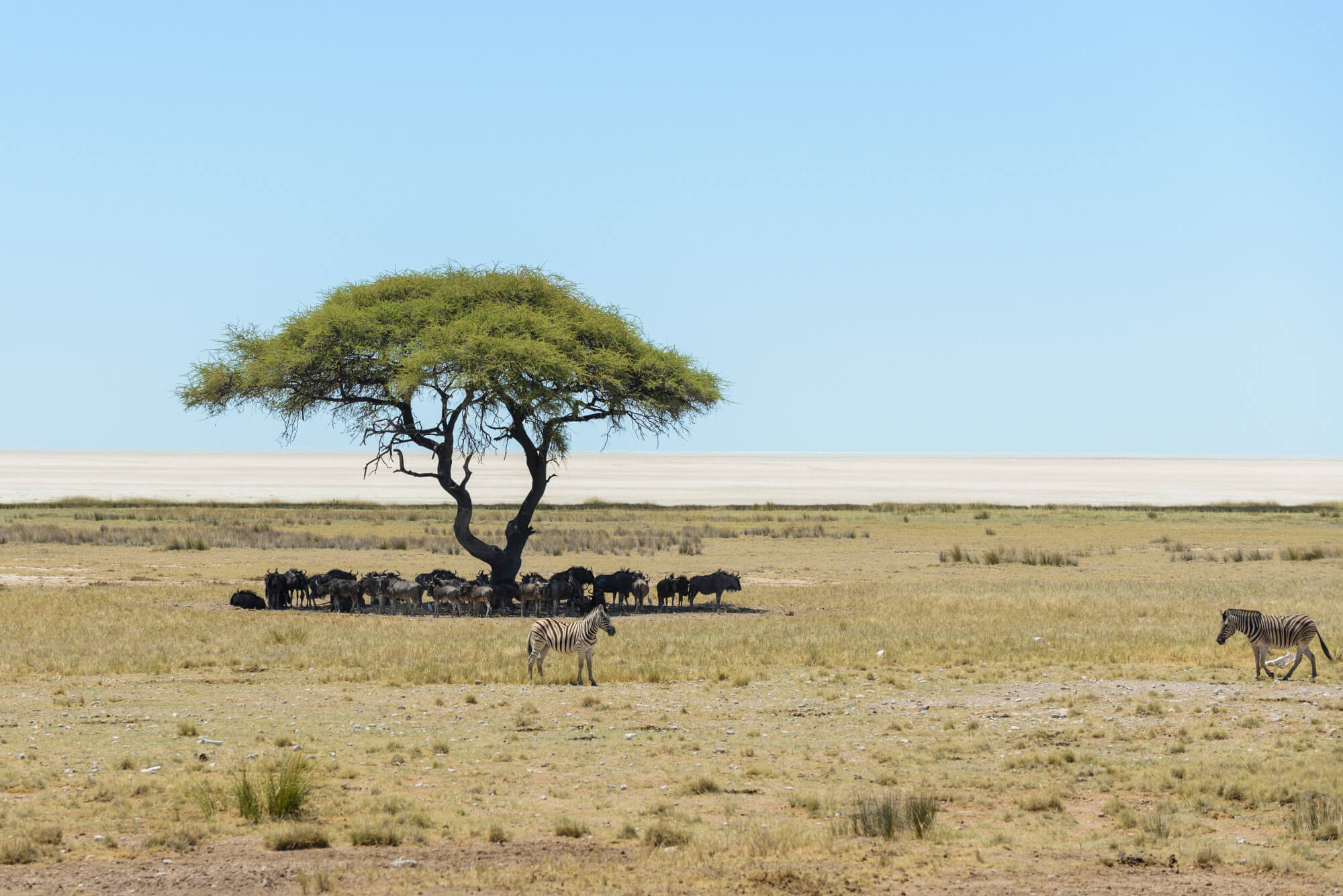
For many travellers, Tanzania’s Serengeti is the image that comes to mind when they think about an African safari: golden grasslands stretching to the horizon, lions resting beneath acacia trees, cheetahs scanning the plains, and enormous herds moving across the landscape.
But there is much more to the Serengeti than the Great Migration.
The park offers exceptional wildlife viewing throughout the year, and its different regions provide entirely different safari experiences.
Whether you are planning your first safari, a honeymoon, a family adventure, or a once-in-a-lifetime migration trip, understanding Tanzania’s Serengeti will help you choose the right season, region, and itinerary.
Where Is Tanzania’s Serengeti?
Tanzania’s Serengeti is located in the northern part of the country, near the Kenyan border.
The park forms the Tanzanian section of the wider Serengeti-Mara ecosystem, which crosses the international border into Kenya’s Maasai Mara.
The Serengeti landscape covers approximately 14,763 square kilometers and includes open grasslands, woodlands, rivers, and rocky kopjes.
Its location also makes it convenient to combine the Serengeti with other northern Tanzania destinations.
A typical safari can include:
- Tarangire National Park
- Ngorongoro Conservation Area
- Serengeti National Park
- Lake Manyara
- Mount Kilimanjaro
This is why the Serengeti is often the centerpiece of a Northern Circuit Safari.
Why Is Tanzania’s Serengeti So Famous?
The Serengeti has earned global recognition because of its exceptional concentration of wildlife and the scale of its annual migration.
UNESCO describes the Serengeti as one of the world’s most important natural ecosystems, with more than one million wildebeest and hundreds of thousands of other ungulates participating in a long annual circular migration across Tanzania and Kenya.
The ecosystem also supports significant populations of large predators and herbivores.
The combination of abundant prey, seasonal rainfall, and vast open habitats creates excellent conditions for wildlife viewing.
In simple terms, Tanzania’s Serengeti offers three things that safari travellers want most:
- Exceptional wildlife density
- Dramatic natural landscapes
- The opportunity to witness the Great Migration
The Great Migration in Tanzania’s Serengeti
The Great Migration is the most famous natural spectacle associated with Tanzania’s Serengeti. It is important to understand that the migration is not a single event occurring on a specific day. The herds move continuously through the Serengeti-Mara ecosystem as they respond to rainfall, water, and fresh grazing. Around 1.5 million wildebeest, along with large numbers of zebra and gazelles, participate in the annual cycle.
January to March: Calving Season
During this period, the migration generally concentrates around the southern Serengeti and neighboring Ndutu area. This is when travelers can enjoy Calving Season Safari experiences. Large numbers of newborn wildebeest attract predators, making this one of the most exciting periods for wildlife photography and predator sightings.
April to June: Moving North
As the southern plains become drier, the herds begin moving north. They pass through areas including Seronera and eventually reach the Western Corridor.
June to July: Western Corridor
The Grumeti region can become an important stage of the migration. The exact timing varies according to rainfall and conditions.
July to October: Northern Serengeti
The northern Serengeti becomes particularly important during the dry season. This is when visitors may have the opportunity to witness dramatic Mara River crossings. However, river crossings are unpredictable. Even during the migration season, nobody can guarantee the exact day or location of a crossing. Tanzania’s national park authorities have specific guidelines for visitors viewing Mara River crossings, including rules about vehicle positioning and approaching animals.
November to December: Return South
Short rains bring fresh vegetation and encourage the herds to begin their journey back toward the southern Serengeti. The annual cycle begins again.
Wildlife in Tanzania’s Serengeti
The Great Migration gets most of the attention, but resident wildlife makes Tanzania’s Serengeti an outstanding safari destination even when the migrating herds are elsewhere.
You may encounter:
- Lions
- Leopards
- Cheetahs
- Elephants
- Buffalo
- Giraffes
- Hippos
- Spotted hyenas
- Wildebeest
- Zebras
- Gazelles
- Warthogs
- Ostriches
- Numerous bird species
The Serengeti is particularly renowned for its predator-prey relationships. Lions can often be found around areas with abundant prey, while cheetahs favor open plains where they can use their speed. Leopards are more elusive and are frequently associated with wooded areas and riverine habitats. The park also supports globally threatened species, including black rhinos, elephants, wild dogs, and cheetahs.
Best Areas of Tanzania’s Serengeti
One of the biggest advantages of visiting Tanzania’s Serengeti is that the park contains several distinct wildlife regions.
Central Serengeti
The Seronera area is one of the most popular parts of the park. It offers strong year-round wildlife viewing and is particularly well known for big-cat sightings. For first-time visitors, central Serengeti is often an excellent introduction to the ecosystem.
Southern Serengeti
The southern plains become especially important during the calving season. If your main goal is to see newborn wildebeest and increased predator activity, planning around the southern Serengeti can be worthwhile.
Western Serengeti
The Western Corridor offers a different landscape and is associated with the Grumeti River. It can be a good choice for travelers looking to explore beyond the central Serengeti.
Northern Serengeti
Northern Serengeti is particularly attractive during the migration period when the herds move toward the Mara River. It can also offer a more remote safari experience compared with the central region.
Best Time to Visit Tanzania’s Serengeti
There is no single best time for every traveller. The right season depends on what you want to see.
| Period | What to Expect |
|---|---|
| January–March | Calving season and predator activity |
| April–May | Green landscapes and fewer visitors |
| June–July | Migration movement and Western Corridor activity |
| July–October | Northern Serengeti and possible Mara River crossings |
| November–December | Short rains and migration moving south |
The dry season from June to October is popular for general wildlife viewing, while January and February are especially interesting for the calving season. If your priority is the Great Migration, don’t simply choose a month. Choose the migration experience you want first, then select the region and accommodation around it.
How Many Days Do You Need in Tanzania’s Serengeti?
For a first visit, three to four nights can provide a rewarding introduction.
However, if wildlife is your main priority, spending five or more nights can give you greater flexibility.
A longer stay allows you to explore different areas rather than spending most of your time travelling between them.
For example, a seven-day itinerary could combine:
- Tarangire
- Ngorongoro
- Central Serengeti
- Northern or Southern Serengeti
A longer itinerary can also allow you to combine Tanzania’s Serengeti with other destinations.
Where to Stay in Tanzania’s Serengeti
Accommodation in Tanzania’s Serengeti ranges from comfortable lodges to mobile camps and luxury tented properties.
A Luxury Tent Safari Tanzania is ideal for travelers who want the atmosphere of traditional safari camping without giving up comfort.
The most important factor when choosing accommodation is not always how luxurious it is.
Location matters.
If your goal is the Great Migration, staying in the right region at the right time can be more important than choosing accommodation based purely on facilities.
For example, a camp positioned close to the migration route can reduce unnecessary driving and give you more time for game viewing.
Safari Experiences in Tanzania’s Serengeti
A traditional game drive is the most popular way to explore the Serengeti, but it is not the only experience available.
Depending on your itinerary and location, you may be able to enjoy:
- Game Drives: Early morning and late afternoon drives offer excellent opportunities for wildlife viewing and photography.
- Balloon Safari: A hot-air balloon ride can provide an entirely different perspective of the Serengeti plains.
- Birding Safari: The Serengeti is not only about mammals. Bird enthusiasts can encounter a diverse range of resident and migratory species.
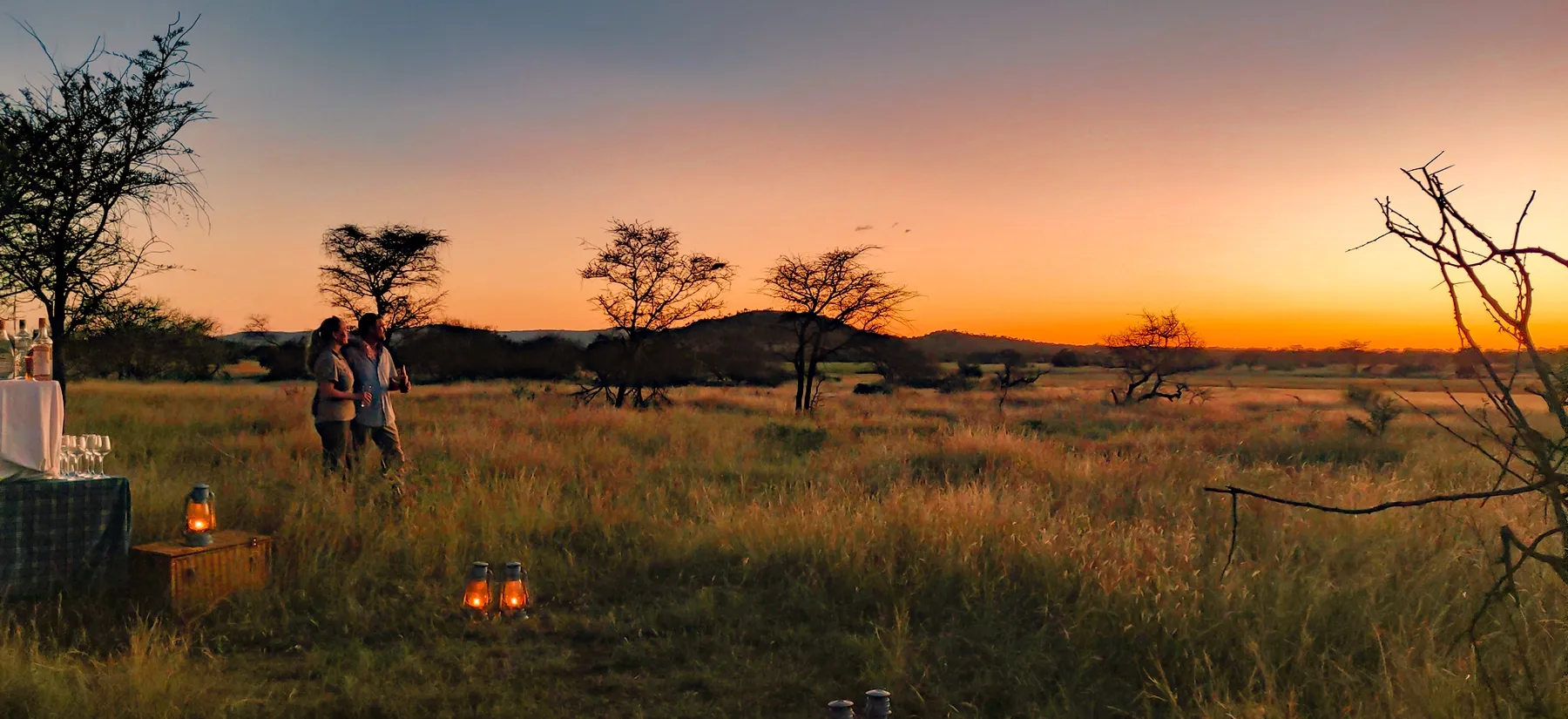
- Romantic Safari: Couples can create a romantic safari around private game drives, secluded accommodation, and special dining experiences.
- Honeymoon Safari: A honeymoon safari can combine wildlife experiences with luxury accommodation and a relaxing beach extension in Zanzibar.
- Family Safari: Families can plan a Family & Kids Safari with shorter game drives, suitable accommodation, and activities that keep younger travelers engaged.
Tanzania’s Serengeti as a Bucket-List Destination
The Serengeti has become one of Africa’s classic bucket-list destinations for good reason.
You could watch a lion pride resting beside a kopje in the morning, encounter elephants later in the day, and finish with a golden sunset over the plains. During migration season, the experience becomes even more dramatic. Watching thousands of wildebeest move across the grasslands gives you a sense of how large and interconnected the ecosystem really is. The attached topic research also identifies Tanzania bucket-list experiences as an important content theme around this keyword, reinforcing the value of presenting the Serengeti as both a destination guide and a safari-planning resource.
Can You Combine Tanzania’s Serengeti With Other Destinations?
Absolutely.
One of the biggest advantages of choosing Tanzania is that you can combine a wide range of experiences within one trip. You can start with a Northern Circuit safari, visit Ngorongoro, continue to Tanzania’s Serengeti, and then fly to Zanzibar for a beach holiday. You can also extend your trip toward Lake Victoria or explore southern Tanzania if you have more time. For couples, combining safari and beach experiences works particularly well with Tanzania Honeymoon Packages. Travellers interested in culture can add local community experiences, while adventure travellers can combine a safari with Mount Kilimanjaro.
What Makes Tanzania’s Serengeti Different?
The Serengeti’s greatest strength is its scale. This is not a small wildlife reserve where you follow a fixed route. It is an enormous ecosystem shaped by rainfall, grazing patterns, rivers, predators, and seasonal movement. That is why two safaris to Tanzania’s Serengeti can feel entirely different. One traveler might visit during calving season and spend hours watching predators around newborn wildebeest. Another might visit the northern Serengeti during migration season and wait for a Mara River crossing. Someone else may visit during the dry season simply to enjoy excellent resident wildlife viewing. There is no single Serengeti experience. There are many.
Tanzania’s Serengeti Safari Tips
Before booking your safari, consider these practical points:
- Choose your travel dates around your main wildlife goal.
- Don’t assume the Great Migration follows exact calendar dates.
- Consider spending at least three to four nights in the Serengeti.
- Choose accommodation based on location as well as comfort.
- Allow flexibility for wildlife sightings.
- Carry binoculars and a reliable camera.
- Pack lightweight, neutral-colored clothing.
- Follow your guide’s instructions around wildlife.
- Never expect a specific animal sighting to be guaranteed.
Most importantly, remember that the Serengeti is a wild ecosystem.
The unpredictability is part of what makes it so special.
People Also Ask
- Is Tanzania’s Serengeti the same as Serengeti National Park?
Tanzania’s Serengeti usually refers to the broader Serengeti region or ecosystem, while Serengeti National Park is the protected national park within that ecosystem. - What is Tanzania’s Serengeti famous for?
It is renowned for the Great Migration, abundant wildlife, large predator populations, vast grasslands, and spectacular safari landscapes. - What month is best for Tanzania’s Serengeti?
January to March is excellent for calving and predator activity, while July to October is popular for dry-season wildlife viewing and possible northern migration activity. - Can you see the Big Five in Tanzania’s Serengeti?
Yes. You can encounter lions, elephants, buffalo, and leopards, but black rhinos are much harder to spot. - How long should I spend in Tanzania’s Serengeti?
Three to four nights is a reasonable starting point, while five or more nights gives you more time to explore different regions and focus on specific wildlife experiences.
FAQs About Tanzania’s Serengeti
- Where is Tanzania’s Serengeti located?
Tanzania’s Serengeti is in northern Tanzania, near the Kenyan border, and forms part of the wider Serengeti-Mara ecosystem. - Is the Serengeti open all year?
Yes. Tanzania’s Serengeti is a year-round safari destination, although wildlife patterns and weather vary considerably by season. - When is the Great Migration in Tanzania?
The migration occurs throughout the year. Calving generally takes place in the southern Serengeti early in the year, while northern areas become important later in the year. Exact timing changes with rainfall and grazing conditions. - Is Tanzania’s Serengeti ideal for a honeymoon?
Yes. Couples can combine private game drives, luxury tented accommodation, romantic experiences, and Zanzibar for a safari-and-beach honeymoon. - Can I visit Tanzania’s Serengeti with children?
Yes, although the itinerary should be planned around the children’s ages, game-drive duration, and suitable accommodation.
Conclusion
Tanzania’s Serengeti is one of the world’s premier wildlife destinations, but its appeal goes far beyond the famous Great Migration.
Its vast plains support lions, leopards, cheetahs, elephants, buffalo, giraffes, and countless other species. Different regions provide different experiences, from calving season in the south to migration activity in the north and excellent resident wildlife viewing around Seronera.
The best time to visit depends entirely on what you want from your safari.
Choose the southern Serengeti for calving, the northern Serengeti for possible Mara River crossings, or the central region for strong year-round wildlife viewing.
And if you have enough time, don’t limit your Tanzania adventure to one park. Combine the Serengeti with Ngorongoro, Tarangire, Mount Kilimanjaro, or Zanzibar to experience more of what makes Tanzania so extraordinary.
Planning your Tanzania safari?
BookMeAfrica can help you create a personalized safari around your travel dates, preferred wildlife experiences, accommodation style and budget.