African Safari in Tanzania: Complete Wildlife Travel Guide
An African safari in Tanzania is an opportunity to experience some of the most spectacular wildlife and landscapes in East Africa. From the endless plains of the Serengeti and the wildlife-rich Ngorongoro Crater to elephant-filled Tarangire and the remote southern parks, Tanzania offers safari experiences for first-time visitors, families, honeymooners, photographers, and luxury travelers.
Tanzania is particularly famous for the Great Migration, the Big Five, and its diverse safari landscapes. The country also makes it possible to combine a wildlife adventure with Mount Kilimanjaro, cultural experiences, and a relaxing beach holiday in Zanzibar.
Whether you have four days or two weeks, the key to planning a successful African safari in Tanzania is choosing the right parks, season, accommodation, and itinerary for your travel goals.
Why Choose an African Safari in Tanzania?
Tanzania stands out because of the variety of experiences available within one country.
Its safari highlights include:
- Serengeti National Park
- Ngorongoro Crater
- Tarangire National Park
- Lake Manyara National Park
- Nyerere National Park
- Ruaha National Park
- Mount Kilimanjaro
- Zanzibar
The northern parks are especially popular with first-time safari travellers because they offer iconic landscapes and excellent wildlife viewing.
The African safari experience in Tanzania is also not limited to watching animals from a vehicle. Depending on your itinerary, you can add balloon safaris, cultural visits, photography experiences, walking activities, and beach extensions.
Best Places for an African Safari in Tanzania
1. Serengeti National Park
The Serengeti National Park is the heart of Tanzania’s safari experience.
Its enormous grasslands support large populations of wildebeest, zebras, gazelles, and predators. It is also the most famous destination for experiencing the Great Migration.
Lions are frequently seen across the plains, while cheetahs favor open grasslands, and leopards can be found in areas with trees and riverine vegetation.
The Serengeti works well for both short and extended safaris.
Travellers who want a more immersive experience can choose a Luxury Tent Safari Tanzania, combining comfortable accommodation with a traditional safari atmosphere.
2. Ngorongoro Crater
The Ngorongoro Crater is one of Tanzania’s most remarkable wildlife destinations.
The crater is a huge volcanic caldera with a diverse concentration of wildlife inside its enclosed landscape.
A game drive here can offer opportunities to see lions, elephants, buffalo, hippos, hyenas and other species.
For many visitors, combining Ngorongoro with Serengeti is one of the best ways to experience a classic Northern Tanzania safari.
3. Tarangire National Park
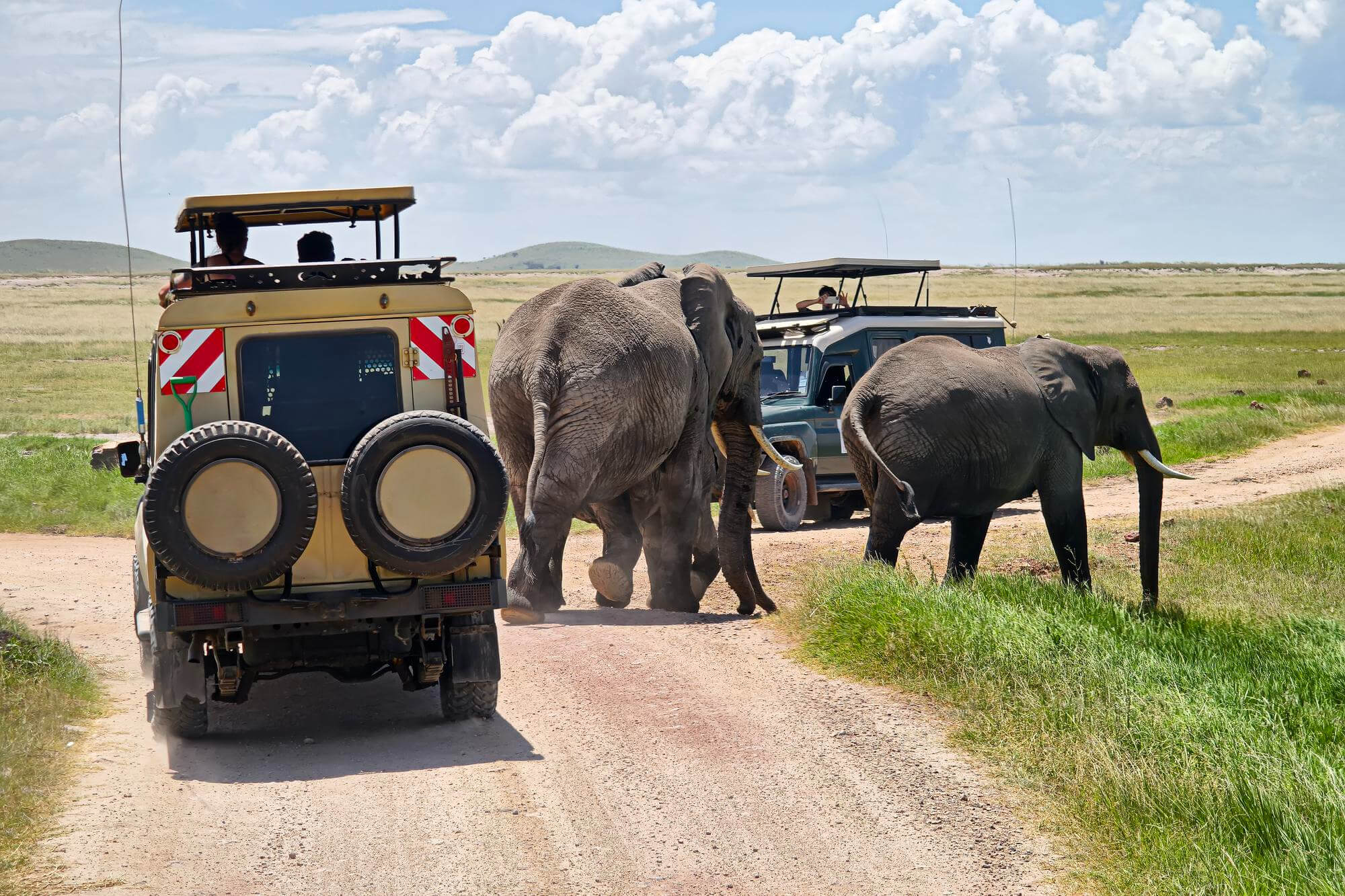
Tarangire National Park Safari is particularly well known for its elephants, ancient baobab trees, and seasonal wildlife concentrations.
The Tarangire River is an important source of water during the dry season, attracting animals from surrounding areas.
The park is also excellent for birdwatching.
For travellers interested in combining wildlife diversity with a quieter alternative to the Serengeti, Tarangire can be an excellent addition.
4. Lake Manyara National Park
Lake Manyara offers a different landscape from the vast Serengeti plains.
The park features forests, wetlands, grasslands, and the alkaline lake itself.
It is home to elephants, giraffes, buffalo, hippos, baboons, and numerous bird species.
Travelers often include Lake Manyara in a Northern Circuit Safari, especially when they have enough time for several parks.
Northern Circuit Safari
The northern region is generally the easiest choice for a first African safari in Tanzania.
A classic route may include:
Arusha → Tarangire → Serengeti → Ngorongoro → Arusha
Depending on the length of the trip, Lake Manyara can also be included.
The main advantage is variety. Within one itinerary, you can experience elephants in Tarangire, crater wildlife at Ngorongoro, and the enormous plains of the Serengeti.
A seven-day itinerary provides considerably more flexibility than a brief safari because you can spend several nights in the Serengeti rather than rushing between parks.
Southern and Western Tanzania Safaris
Tanzania isn’t only about the Northern Circuit.
Travellers looking for quieter and more remote experiences can consider the country’s southern and western regions.
Nyerere National Park
Nyerere offers a different safari experience, including river and boat-based activities in addition to traditional game drives.
Ruaha National Park
Ruaha is known for its rugged scenery, elephants, large lion populations, and diverse wildlife.
A Ruaha National Park safari can be particularly appealing to repeat Tanzania visitors who want to explore beyond the most famous northern parks.
The Southern Circuit generally suits travellers who have more time and prefer a less conventional safari route.
When Is the Best Time for an African Safari in Tanzania?
There isn’t one perfect month for everyone.
The best time depends on the wildlife experience you want.
June to October
The dry season is popular for general wildlife viewing.
Vegetation becomes less dense, and animals often gather around available water sources, which can make sightings easier.
This period is also important for migration activity in the Serengeti.
January to March
The southern Serengeti becomes particularly captivating during calving season.
A Calving Season Safari offers the opportunity to see newborn wildebeest and increased predator activity.
November to May
The greener months bring fresh vegetation, dramatic landscapes, and excellent birdwatching.
Some periods can have more rain, but the green scenery can be spectacular, and visitor numbers may be lower.
The important point is that the migration doesn’t follow a perfectly predictable calendar. Rainfall and grazing conditions influence where the herds move.
Wildlife You Can See on an African Safari in Tanzania
Tanzania is one of the best destinations in Africa for viewing a wide range of wildlife.
Depending on your itinerary, you may encounter:
- Lions
- Leopards
- Cheetahs
- Elephants
- Buffalo
- Rhinos
- Giraffes
- Hippos
- Hyenas
- Wildebeest
- Zebras
- Gazelles
- Warthogs
- Wild dogs
- Hundreds of bird species
The Big Five are among the most sought-after sightings.
However, a good safari should not be judged only by how many famous animals you see.
The landscapes, birdlife, smaller mammals, predator behavior, and interactions between species can be equally fascinating.
The Great Migration in Tanzania
The Great Migration is one of the biggest reasons travelers choose an African safari in Tanzania.
More than a million wildebeest and large numbers of zebra and other grazing animals move through the Serengeti-Mara ecosystem in an annual cycle.
The migration is constantly moving rather than occurring in one fixed location.
During the early months of the year, the herds are generally associated with the southern Serengeti and calving areas.
Later, they move northwards through the ecosystem.
During the dry-season months, travellers may have opportunities to witness dramatic river crossings in the northern Serengeti.
However, river crossings are natural events and cannot be guaranteed.
This unpredictability is part of the experience.
African Safari in Tanzania for Different Types of Travellers
One of Tanzania’s biggest advantages is that you can design a safari around different interests.
Family Safari
A Family & Kids Safari can include shorter game drives, comfortable accommodation, and activities suited to children’s ages.
The itinerary should avoid excessive driving where possible.
Honeymoon Safari
Tanzania is an excellent destination for couples.
A honeymoon safari can combine private game drives, luxury accommodation, romantic dinners, and secluded experiences.
You can also extend your safari with Tanzania Honeymoon Packages that combine wildlife and Zanzibar beaches.
Wedding Safari
Couples looking for something different can even consider a wedding safari, combining an intimate celebration with an unforgettable wildlife journey.
Birding Safari
Tanzania is not only a destination for big mammals.
A birding safari can introduce travelers to a huge variety of resident and migratory bird species across forests, wetlands, and grasslands.
Romantic Safari
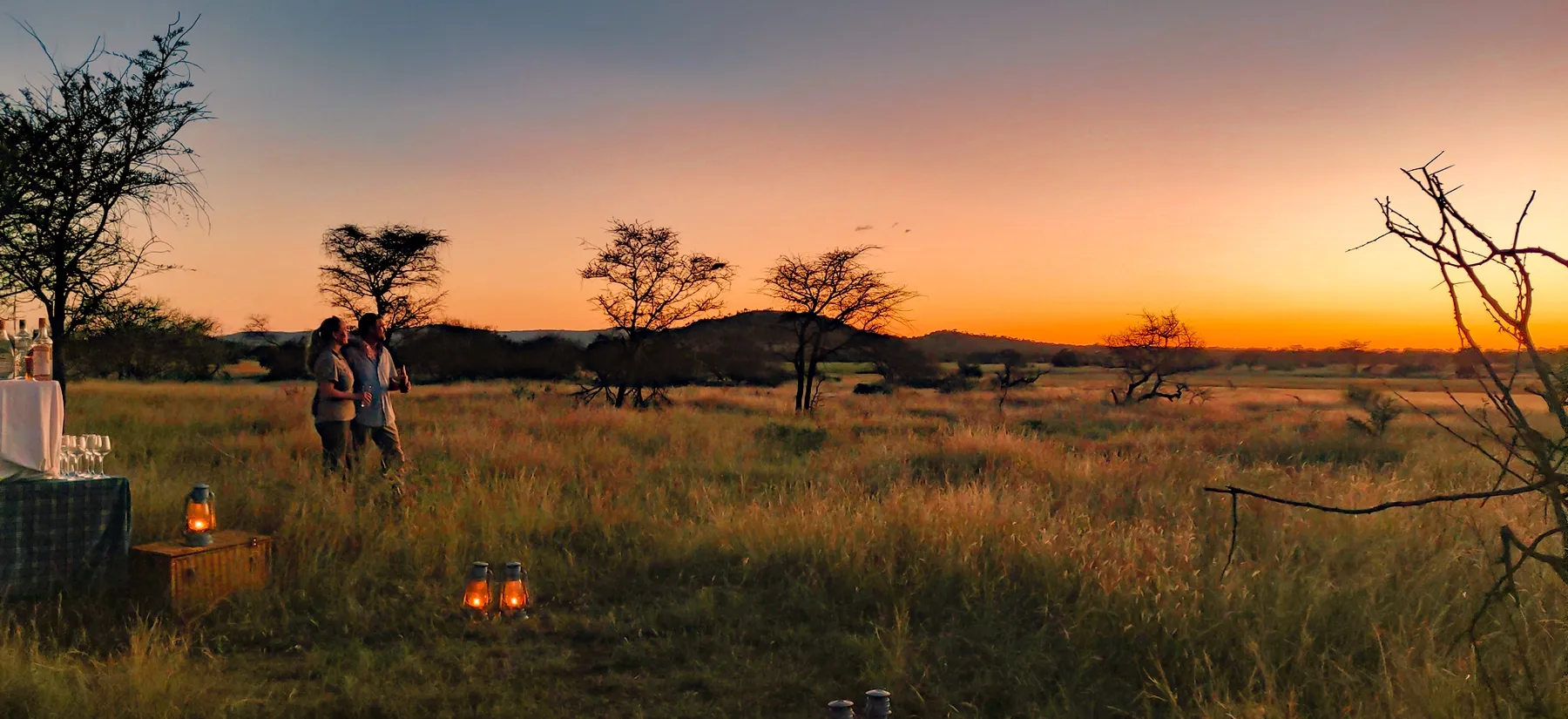
A romantic safari can include private accommodation, sunset experiences, and specially arranged meals in the bush.
Unique Safari Experiences
A traditional game drive is only one way to experience Tanzania.
Depending on the park and local regulations, your itinerary may include:
Hot-Air Balloon Safari
A balloon safari over the Serengeti provides a completely different perspective of the plains.
The experience usually takes place around sunrise when the landscape is particularly dramatic.
Cultural Experiences
Some itineraries include opportunities to meet local communities and learn about traditional lifestyles, crafts, food and culture.
Photography Safari
Wildlife photographers can build itineraries around longer game drives, specific migration periods and areas known for particular species.
How Many Days Do You Need?
Your ideal safari length depends on how much of Tanzania you want to experience.
3–4 Days
Suitable for a short introduction to northern Tanzania.
5–7 Days
A good balance for first-time visitors who want to experience several major destinations.
A seven-day safari can allow enough time for Serengeti while still including Ngorongoro and another park.
8–10+ Days
Ideal for travellers who want a slower pace, deeper Serengeti exploration or a combination of northern and southern destinations.
If you also want Zanzibar, adding several beach days after the safari can make the trip more relaxing.
What Does a Tanzania Safari Include?
The exact inclusions depend on your safari style and itinerary.
Many organised safari packages may include:
- Safari vehicle
- Professional safari guide
- Accommodation
- Meals
- Park entry fees
- Game drives
- Airport or hotel transfers
However, inclusions vary between operators.
Travellers should always check what is included before comparing safari packages.
You should also account for Tanzania Park Fees 2026 when planning your overall budget, as park and conservation charges form an important part of safari costs.
What Should You Pack for an African Safari in Tanzania?
Pack light and practical clothing.
Useful items include:
- Lightweight shirts and trousers
- Comfortable walking shoes
- A light jacket
- Sun hat
- Sunglasses
- Sunscreen
- Insect repellent
- Binoculars
- Camera
- Extra batteries or power bank
- Small day bag
Neutral colours are practical for safari environments.
Early mornings can be surprisingly cool, especially during game drives, so layering is useful.
How to Plan a Better African Safari in Tanzania
A successful safari isn’t simply about choosing the most famous parks.
Start with your priorities.
Ask yourself:
Do I want to see the Great Migration?
If yes, choose your travel period and Serengeti region around the migration cycle.
Do I want a luxury experience?
Choose accommodation and private safari arrangements accordingly.
Am I travelling with children?
Build shorter driving days and family-friendly activities into the itinerary.
Do I want fewer crowds?
Consider less-visited areas or travel during shoulder and green seasons.
Do I want safari and beach?
Leave enough time for Zanzibar rather than trying to fit everything into an already rushed itinerary.
African Safari in Tanzania: Suggested Itinerary
For a first-time traveller, a sample seven-day route could look like this:
Day 1: Arrival in Arusha
Day 2: Tarangire National Park
Day 3: Tarangire to Serengeti
Day 4: Full-day Serengeti game drive
Day 5: Serengeti exploration
Day 6: Serengeti to Ngorongoro
Day 7: Ngorongoro Crater and departure
The exact route should be adjusted according to your arrival time, travel dates, accommodation, and wildlife priorities.
If you have more time, adding extra Serengeti nights can be more rewarding than adding another destination simply to make the itinerary longer.
People Also Ask
- What is the best place for an African safari in Tanzania?
Serengeti National Park is the most iconic choice, while Ngorongoro, Tarangire, Nyerere, and Ruaha offer different wildlife and landscape experiences. - What is the best month for an African safari in Tanzania?
June to October is popular for general wildlife viewing, while January to March is particularly rewarding for the Serengeti calving season. - How many days are enough for a Tanzania safari?
Five to seven days works well for a first Northern Circuit safari. Longer trips allow deeper exploration and a more relaxed pace. - Can I combine a Tanzania safari with Zanzibar?
Yes. A safari followed by Zanzibar is one of the most popular ways to combine wildlife and an Indian Ocean beach holiday. - Is Tanzania good for a luxury safari?
Yes. Tanzania offers luxury lodges, luxury tented camps, private vehicles, and personalized safari experiences across several major wildlife regions.
FAQs About African Safari in Tanzania
- Is an African safari in Tanzania worth it?
Yes. Tanzania combines exceptional wildlife, the Serengeti, the Great Migration, diverse national parks, and opportunities for luxury and private travel. - Can I see the Big Five in Tanzania?
Yes. Lions, leopards, elephants, buffalo, and rhinos are found in Tanzania, although sightings of individual species cannot be guaranteed. - What airport should I fly into for a Tanzania safari?
Kilimanjaro International Airport is a common gateway for Northern Circuit safaris, while other airports and airstrips may be more convenient depending on your itinerary. - Is Tanzania suitable for a honeymoon safari?
Absolutely. Couples can combine private game drives, luxury accommodation, romantic experiences, and a Zanzibar beach extension. - Is Tanzania suitable for families?
Yes. A well-designed Family & Kids Safari can accommodate children through appropriate accommodation, activities, and manageable driving schedules.
Conclusion
An African safari in Tanzania offers much more than a few days of wildlife viewing.
It can be a journey through the Serengeti during the Great Migration, a game drive inside the Ngorongoro Crater, an elephant encounter in Tarangire, a remote adventure in Ruaha or Nyerere, and even a relaxing beach holiday in Zanzibar.
The best itinerary depends on what you want to experience.
For first-time visitors, the Northern Circuit provides an excellent introduction to Tanzania, with Serengeti, Ngorongoro, and Tarangire forming a powerful combination. Travellers looking for something more remote can explore the southern or western circuits.
The key is to plan around your wildlife priorities, travel season, safari duration, and preferred style of accommodation, rather than simply copying a standard itinerary.
Planning an African safari in Tanzania?
Create a safari around the experiences that matter most to you, whether that means the Great Migration, Big Five, calving season, luxury tented camps, a family adventure or a romantic honeymoon.
Plan Your Tanzania Safari
Explore our Tanzania safari packages and start planning your African adventure.