Serengeti of Tanzania: A Complete Safari Guide
The Serengeti of Tanzania is one of Africa’s most celebrated wildlife destinations, famous for its vast grasslands, exceptional predator sightings and the spectacular Great Migration. Located in northern Tanzania, Serengeti National Park covers approximately 14,763 square kilometres and forms the Tanzanian heart of the wider Serengeti-Mara ecosystem.
The name Serengeti is associated with the Maasai word siringet, commonly translated as a place where the land appears to stretch endlessly. That description fits the landscape perfectly: open plains, granite kopjes, acacia woodland and river systems create a constantly changing backdrop for wildlife.
The Serengeti is best known for the migration of wildebeest and zebra, but you do not need to visit during the migration to enjoy an exceptional safari. Resident lions, leopards, cheetahs, elephants, giraffes, buffalo and numerous other species make the park a year-round destination.
What Is the Serengeti of Tanzania?
The Serengeti of Tanzania refers primarily to the Serengeti region and, most notably, Serengeti National Park.
The national park is part of a much larger ecosystem that extends northwards into Kenya’s Maasai Mara. Wildlife moves naturally through this ecosystem, which is why the Great Migration cannot be understood as an event belonging to only one park or country.
Tanzania’s Serengeti National Park itself covers 14,763 square kilometers, while the wider ecosystem is considerably larger.
The park is divided broadly into several safari regions:
- Central Serengeti
- Southern Serengeti
- Western Corridor
- Northern Serengeti
- Eastern Serengeti
Each region has different landscapes, wildlife patterns, and seasonal attractions.
Why Is the Serengeti of Tanzania Famous?
The Serengeti has become synonymous with the African safari because of its extraordinary wildlife concentration and the Great Migration.
The ecosystem supports huge numbers of wildebeest, zebras, and gazelles as well as major populations of lions, leopards, cheetahs, elephants, buffalo, and other wildlife.
The park is also a UNESCO World Heritage Site and is recognised for its outstanding ecological importance.
For visitors, that translates into an unusual combination of experiences:
- Vast open landscapes
- Excellent big-cat viewing
- Great Migration experiences
- Year-round resident wildlife
- Birdwatching
- Balloon safaris
- Luxury tented accommodation
- Private safari experiences
The Great Migration in the Serengeti of Tanzania
The Great Migration is the Serengeti’s most famous natural phenomenon.
Large herds of wildebeest, zebra and gazelles move through the Serengeti-Mara ecosystem following seasonal rainfall and the availability of fresh grazing.
The migration is not a single event that happens on a fixed date.
Instead, it is an annual cycle.
January to March: Calving Season
The southern Serengeti becomes particularly important early in the year.
Large numbers of wildebeest gather on the short-grass plains to give birth.
This is one of the best times for travellers interested in newborn animals and predator activity.
April to June: Moving North
As the southern plains become less productive, the herds begin moving northwards.
They pass through central areas and eventually reach the Western Corridor.
July to October: Northern Serengeti
The northern Serengeti becomes one of the most exciting places to follow the migration.
The herds can reach the Mara River, where some attempt dramatic crossings.
However, river crossings are unpredictable. No responsible safari operator can guarantee that a crossing will happen on a particular day.
November to December: Return South
Short rains bring new grass, encouraging the herds to move back towards the southern Serengeti.
The cycle begins again.
Wildlife in the Serengeti of Tanzania
The migration is spectacular, but it is only one reason to visit.
The Serengeti of Tanzania supports an impressive variety of wildlife throughout the year.
You may see:
- Lions
- Leopards
- Cheetahs
- Elephants
- Buffalo
- Giraffes
- Hippos
- Hyenas
- Wildebeest
- Zebras
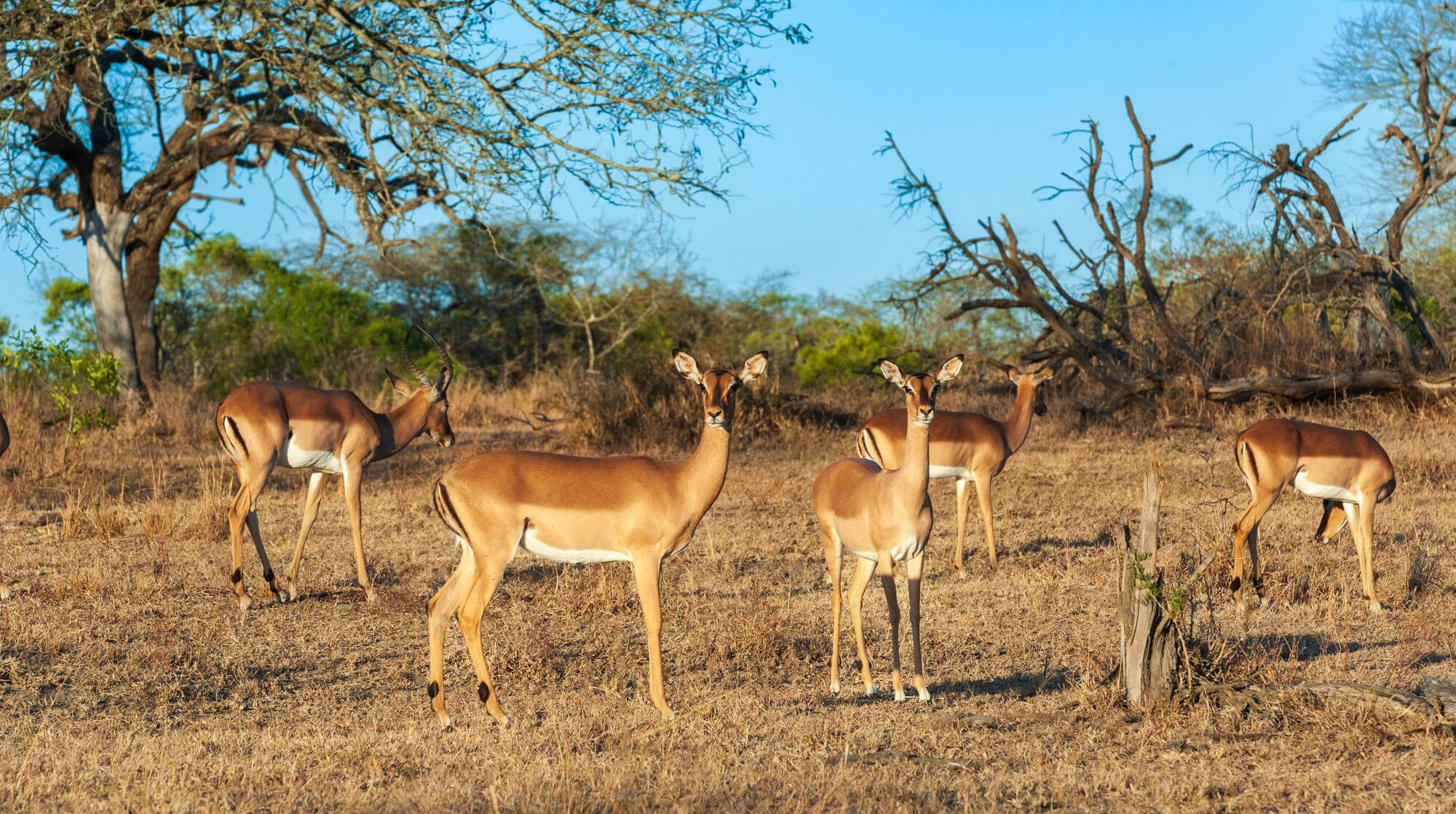
- Gazelles
- Warthogs
- Rhinos
- Wild dogs
- Numerous bird species
The Serengeti is especially renowned for its large predator populations.
Central Serengeti, for example, is known for strong resident wildlife viewing around the Seronera area.
This makes the Serengeti a particularly good choice for travellers who want to see predators even outside the main migration periods.
Best Safari Areas in the Serengeti of Tanzania
Central Serengeti
Central Serengeti is one of the most popular areas for first-time visitors.
The Seronera Valley provides a mixture of grasslands, acacia woodland, riverine habitat and rocky kopjes.
Resident wildlife makes this region productive throughout much of the year.
If you want a classic safari experience without planning your entire trip around migration movements, Central Serengeti is a strong choice.
Southern Serengeti
Southern Serengeti is particularly important during the calving season.
The open plains provide excellent conditions for seeing wildebeest, zebra and predators.
This region is ideal for travellers planning a Calving Season Safari.
Western Serengeti
The Western Corridor offers a different landscape, with the Grumeti River and more woodland.
It can provide a quieter experience compared with some of the central areas and becomes particularly relevant during certain stages of the migration.
Northern Serengeti
Northern Serengeti is especially popular during the later migration period.
It is the region associated with the Mara River and possible river crossings.
The area can also offer a more remote safari atmosphere.
Best Time to Visit the Serengeti of Tanzania
The best time depends on what you want to see.
| Period | Main Attraction |
|---|---|
| January–March | Calving season and predators |
| April–May | Green landscapes and fewer visitors |
| June–July | Migration movement |
| July–October | Northern Serengeti and possible river crossings |
| November–December | Green landscapes and herds returning south |
The dry season is generally popular for wildlife viewing because vegetation becomes less dense and animals can be easier to locate. National Geographic also identifies July to September as a particularly busy period, while November to March can be excellent for birdwatching.
There is no universally perfect month.
The best date is the one that matches your safari objective.
Serengeti of Tanzania vs Maasai Mara
The Serengeti and Maasai Mara are not completely separate ecosystems.
They are parts of the same broader Serengeti-Mara ecosystem divided by the Tanzania-Kenya border.
The Serengeti is substantially larger, covering 14,763 square kilometres as a national park.
Choose the Serengeti if you want:
- A much larger protected area
- More regional variety
- Southern calving-season opportunities
- Extensive central and northern safari areas
- A longer Tanzania safari itinerary
Consider combining both if:
You have enough time and want to experience different sides of the same ecosystem.
For most travellers, however, a well-planned Serengeti safari can provide an exceptional wildlife experience without the need to cross the border.
Where to Stay in the Serengeti of Tanzania
Accommodation ranges from traditional camps to high-end lodges and mobile safari camps.
A Luxury Tent Safari Tanzania is a particularly attractive option for travellers who want to combine comfort with the atmosphere of a traditional African safari.
When choosing accommodation, consider location before luxury level.
A beautiful property that is far from the wildlife area you want to explore may result in more time spent driving.
For migration-focused trips, choosing accommodation according to the expected movement of the herds can make a major difference.
Safari Experiences in the Serengeti
A standard game drive is the foundation of most Serengeti safaris, but several other experiences can add variety.
Balloon Safari
A hot-air balloon flight at sunrise offers an aerial view of the Serengeti plains and wildlife below.
Birding Safari
Birding Safari: The Serengeti is also an excellent destination for bird enthusiasts, with resident and migratory species across grassland, woodland, and wetland habitats.
Family Safari
A Family & Kids Safari can be designed around children’s ages, shorter drives, and appropriate accommodation.
Honeymoon Safari
A honeymoon safari can combine private game drives, luxury accommodation, and romantic experiences.
Wedding Safari
For couples looking for something unusual, a wedding safari can combine a special celebration with a Tanzania wildlife adventure.
Serengeti of Tanzania for a Luxury Safari
Luxury does not have to mean losing the feeling of being in the wilderness.
Luxury tented camps can provide comfortable beds, private bathrooms, quality dining, and personalized service while keeping you close to the natural environment.
A luxury itinerary can also include private vehicles, flexible game-drive schedules, and carefully selected accommodation based on the season.
For couples, this approach can work particularly well with Tanzania Honeymoon Packages.
How Many Days Do You Need?
3–4 Nights
Good for a first introduction to the Serengeti.
5–6 Nights
Better for travelers who are keen to explore multiple areas or focus heavily on wildlife.
7+ Nights
Ideal for travelers who want a deeper Serengeti experience or want to combine the park with other destinations.
A Northern Circuit Safari could combine the Serengeti with Tarangire and Ngorongoro.
If you have limited time, it is often better to spend extra nights in the Serengeti than to add too many destinations and spend most of your trip travelling.
Tanzania Park Fees and Safari Planning
Park fees are an important part of your overall safari budget.
Tanzania National Parks provides official information on park tariffs and identifies the Serengeti National Park as one of its major parks in northern Tanzania.
If you are planning a 2026 trip, check the current official tariff information when booking rather than relying on old fee tables.
Your overall safari cost can also depend on:
- Accommodation category
- Private or shared vehicle
- Number of safari days
- Park fees
- Domestic flights
- Season
- Special activities
- Transfers
This is why comparing safari packages purely by headline price can be misleading.
How to Get to the Serengeti
Most international visitors travelling to northern Tanzania begin their journey at Kilimanjaro International Airport or in Arusha.
From there, you can travel overland or fly to one of the Serengeti’s airstrips.
Seronera is the major central airstrip, while other airstrips serve northern, western, and southern regions.
Flying can save significant travel time, particularly when visiting remote areas.
Driving, however, allows you to experience the changing landscapes between destinations and can be an important part of a classic Northern Circuit itinerary.
What to Pack for a Serengeti Safari
Keep your luggage practical and relatively light.
Consider packing:
- Lightweight clothing
- A warm layer for early mornings
- Comfortable shoes
- Sun hat
- Sunglasses
- Sunscreen
- Insect repellent
- Binoculars
- Camera
- Extra batteries
- Power bank
- Small daypack
Neutral-colored clothing is practical for safari environments.
Early mornings can be cool even when afternoons become warm, so layers are useful.
Why Visit the Serengeti of Tanzania?
The greatest attraction of the Serengeti of Tanzania is its scale.
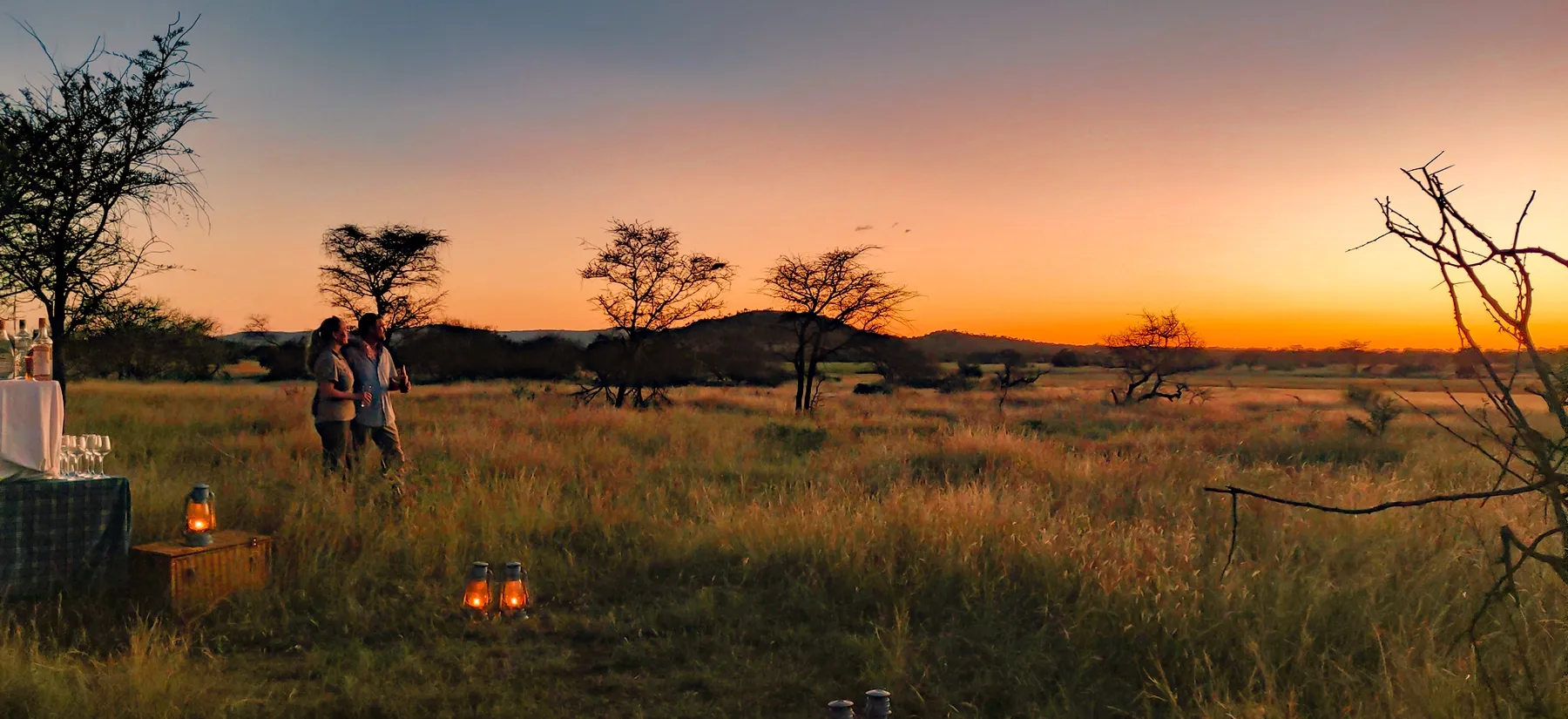
You can spend a morning watching lions around a granite kopje, encounter elephants later in the day and finish with a sunset over seemingly endless grassland.
During migration season, the experience becomes even more extraordinary.
But the Serengeti does not depend on the migration to be worthwhile.
Its resident wildlife, landscapes, and different ecological regions make it a destination that can reward travelers throughout the year.
This is also why Tanzania’s Serengeti fits naturally into an African safari in Tanzania itinerary.
People Also Ask
- What is the Serengeti of Tanzania famous for?
The Serengeti is renowned for the Great Migration, large populations of predators, and vast savannah landscapes. It is also a UNESCO World Heritage Site. - What is the best month to visit the Serengeti?
January to March is excellent for calving season, while July to October is popular for dry-season wildlife viewing and possible northern migration activity. - Can you see the Big Five in the Serengeti?
Yes. You can regularly encounter lions, leopards, elephants, and buffalo, but you will see rhinos much less often. - Is the Serengeti better than the Maasai Mara?
Neither is universally better. The Serengeti is much larger and offers the southern calving season, while the Maasai Mara provides excellent wildlife viewing and access to northern migration areas. - How many days should I spend in the Serengeti?
Three to four nights is a reasonable starting point, while five or more nights allow more flexibility to explore different regions.
FAQs About the Serengeti of Tanzania
- Is the Serengeti in Tanzania?
Yes. Serengeti National Park is located in northern Tanzania and forms part of the wider Serengeti-Mara ecosystem. - Is the Serengeti open all year?
Yes. Safari activities operate throughout the year, although different seasons offer different wildlife and weather conditions. - When can I see the Great Migration?
The migration moves throughout the year. Calving generally occurs in the southern Serengeti early in the year, while the northern Serengeti becomes important later. Exact movements depend on rainfall and grazing conditions. - Is the Serengeti an ideal choice for a honeymoon?
Yes. Couples can combine private game drives, luxury tented accommodation, romantic experiences, and a beach extension in Zanzibar. - Can families visit the Serengeti?
Yes. A well-designed family itinerary can make the Serengeti suitable for children, especially when you choose game-drive lengths and accommodation based on their ages.
Conclusion
The Serengeti of Tanzania is far more than the setting for one of Africa’s most famous wildlife spectacles.
It is a vast ecosystem where grasslands, rivers, woodland, kopjes, predators, and migrating herds interact throughout the year.
Visit during the calving season and you can witness newborn wildebeest and intense predator activity. Travel to the north later in the year and you may experience the drama of the Mara River. Visit Central Serengeti outside the peak migration period and you can still enjoy outstanding resident wildlife.
The right safari, therefore, depends on when you travel, what you want to see and how much time you have.
For a first Tanzania safari, combining Serengeti with other Northern Circuit destinations can create a well-rounded experience. For repeat visitors, spending longer in one region can provide a deeper and more relaxed connection with the landscape.
Planning your Serengeti safari?
BookMeAfrica can create a Tanzania safari around your preferred season, wildlife interests, accommodation style, and trip length.
Our safari specialists can help you build a personalized Tanzania itinerary.