A Big 5 safari Africa experience is one of the most iconic ways to explore the continent’s wilderness. The Big Five—lion, leopard, elephant, rhinoceros, and Cape buffalo—are among the most sought-after animals for wildlife enthusiasts and first-time safari travellers.
While the term originally came from big-game hunting and referred to animals considered particularly difficult and dangerous to hunt on foot, its meaning has changed dramatically. Today, seeing the Big Five is about wildlife observation, photography, conservation, and experiencing these animals in their natural habitats.
Tanzania is particularly rewarding for a Big 5 safari Africa because destinations such as the Serengeti and Ngorongoro Crater combine excellent wildlife density with spectacular landscapes. The Serengeti is especially famous for lions, leopards, elephants, and buffalo, while the Ngorongoro Crater can provide particularly strong opportunities for seeing black rhinos.
What Are the Big Five Animals in Africa?
The Big Five consist of five iconic African mammals:
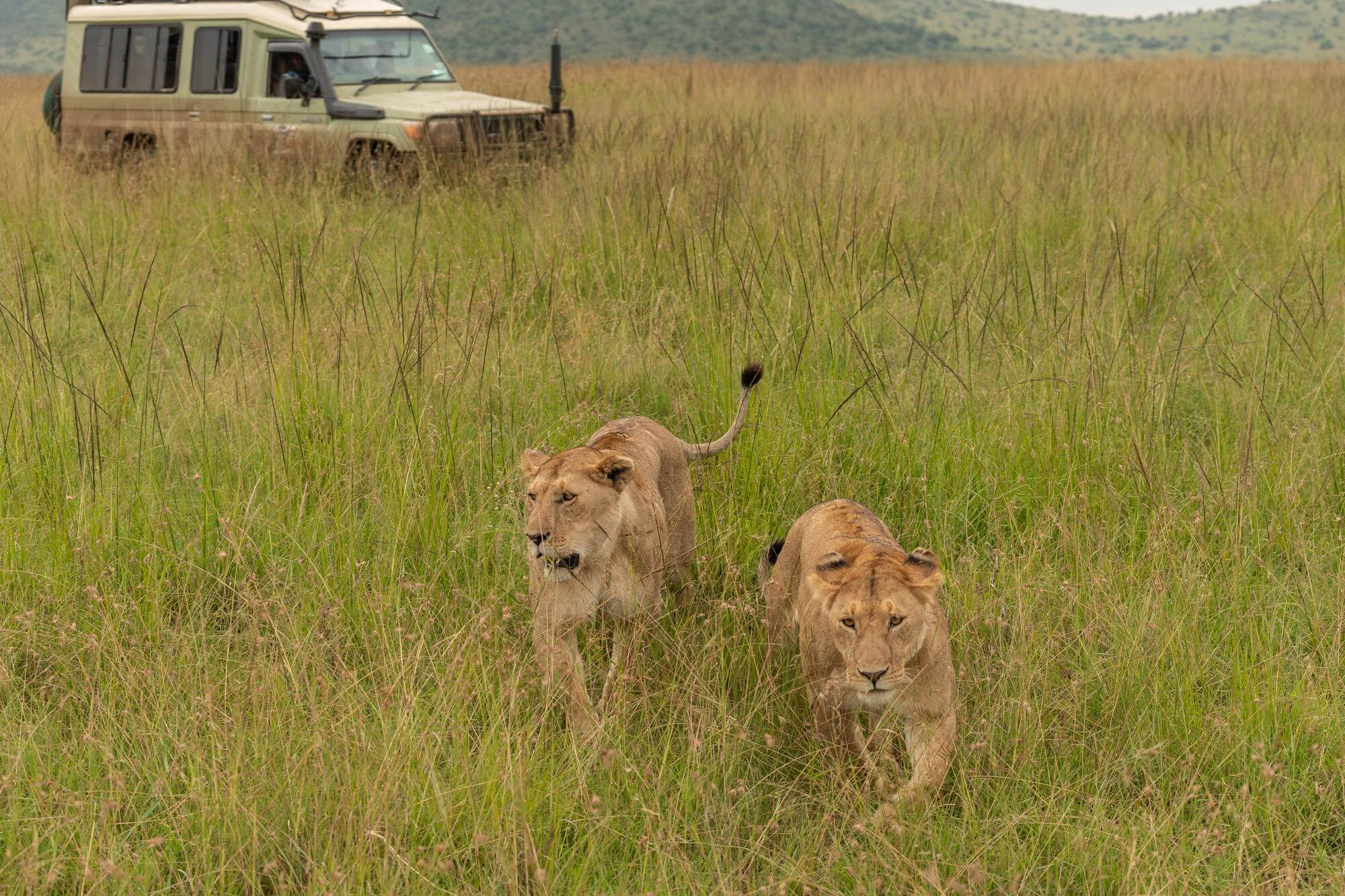
- Lion – Africa’s famous big cat, usually seen resting in prides or actively hunting.
- Leopard – A solitary and elusive predator often found around woodland, riverine areas and trees.
- African elephant—The world’s largest land mammal, commonly seen in family herds or as solitary bulls.
- Rhinoceros – One of the rarest Big Five sightings, particularly because rhino populations remain heavily protected.
- Cape buffalo—Powerful herd animals that can be seen in large groups around grasslands and water sources.
Seeing all five is an exciting safari goal, but wildlife sightings are never guaranteed. Even in destinations with excellent populations, animals move freely through large ecosystems, and factors such as weather, vegetation, water availability, and time of day influence what you see.
Why Choose Tanzania for a Big 5 Safari Africa?
Tanzania is one of East Africa’s standout safari destinations. Its combination of expansive grasslands, volcanic landscapes, woodland, rivers and protected wildlife areas creates habitat for an extraordinary variety of species.
A well-planned African safari in Tanzania can combine several destinations rather than relying on one park. This gives travellers the opportunity to experience different ecosystems and improves the chances of encountering a wider range of wildlife.
Serengeti of Tanzania
The Serengeti of Tanzania is one of the most famous safari destinations in Africa. Its open plains provide excellent habitat for predators and large herbivore populations.
Lions are widespread, while leopards can often be found in areas with trees and riverine vegetation. Elephants and buffalo are also regularly encountered. Rhino sightings are considerably less predictable than sightings of the other four species, making the Ngorongoro area an important addition for travelers specifically focused on completing the Big Five.
The Serengeti also hosts the Great Migration, when huge numbers of wildebeest and other grazing animals move through the wider ecosystem. This creates spectacular opportunities for predator encounters and dramatic wildlife photography.
For travellers who want a more immersive experience, a Northern Circuit Safari can combine the Serengeti with Ngorongoro Crater and other northern Tanzania destinations.
Ngorongoro Crater: One of Tanzania’s Best Big Five Locations
Ngorongoro Crater deserves special attention when planning a Big 5 safari Africa.
The crater is a large volcanic caldera with an unusually high concentration of wildlife. Its enclosed geography helps support substantial populations of large mammals, and black rhino can sometimes be seen on the crater floor.
For this reason, combining Serengeti and Ngorongoro is a smart strategy for travellers whose priority is seeing as many of the Big Five as possible.
Instead of simply asking, “Where can I see the Big Five?” consider building an itinerary around different habitats. The Serengeti provides exceptional predator viewing and migration scenery, while Ngorongoro adds a concentrated wildlife environment.
Best Places for a Big 5 Safari Africa
Tanzania is not the only destination for Big Five wildlife. Across Africa, several regions offer excellent opportunities.
1. Serengeti National Park, Tanzania
The Serengeti is one of the continent’s strongest destinations for lions, elephants, and buffalo, with regular leopard sightings in suitable habitats. The wider ecosystem also makes it one of Africa’s most spectacular destinations for combining Big Five wildlife with the Great Migration.
2. Ngorongoro Crater, Tanzania
Ngorongoro is particularly valuable for travellers hoping to see black rhino alongside other major species. Its concentrated wildlife environment makes it one of Tanzania’s most productive areas for a Big Five-focused itinerary.
3. Greater Kruger, South Africa
South Africa’s Greater Kruger region, including private reserves around Kruger National Park, is widely regarded as one of Africa’s strongest all-round Big Five destinations. Leopard and rhino sightings can be particularly rewarding in some private reserves.
4. Maasai Mara, Kenya
Kenya’s Maasai Mara is famous for lions, elephants, and buffalo and becomes particularly dramatic during the migration period. Combining it with a rhino-focused conservancy can strengthen the chances of seeing all five.
5. Laikipia, Kenya
Laikipia is especially significant for rhino conservation and can complement the Maasai Mara when the goal is a comprehensive Big Five safari.
Which Big Five Animal Is Hardest to See?
For many safari travellers, the rhino is the most difficult Big Five animal to find consistently. Its populations are smaller in many safari ecosystems, and the animals can be less numerous and more carefully protected.
Leopards can also be challenging because of their solitary behavior, camouflage, and preference for areas with dense vegetation or trees. Africa Geographic’s destination comparison similarly notes that the rhino is often the deciding species when travelers are trying to see all five.
This is why choosing the right combination of parks matters more than simply booking the longest safari possible.
Best Time for a Big 5 Safari Africa
The best time depends on the destination and the type of experience you want.
In Tanzania and much of East Africa, the dry seasons are generally excellent for wildlife viewing. Vegetation becomes less dense, and animals may gather around remaining water sources, making them easier to locate.
June to October
This period is particularly popular for safari travel. Wildlife viewing can be excellent, and the northern Serengeti may also provide opportunities to witness parts of the Great Migration depending on the animals’ movements.
January to March
The beginning of the year can be excellent for Tanzania, particularly around the southern Serengeti and Ndutu areas. This is associated with the wildebeest calving period, when newborn animals attract predators.
A calving season safari can therefore be an excellent option for travellers interested in predator behaviour as well as the Big Five.
November to May
The green season brings changing landscapes, fresh vegetation, and excellent birdlife. Some travelers prefer this period because of greener scenery and potentially fewer visitors.
There is no single “perfect” month for every safari. Your ideal timing depends on whether your priority is Big Five viewing, the Great Migration, photography, birding, or a quieter safari atmosphere.
Big 5 Safari Africa for Couples
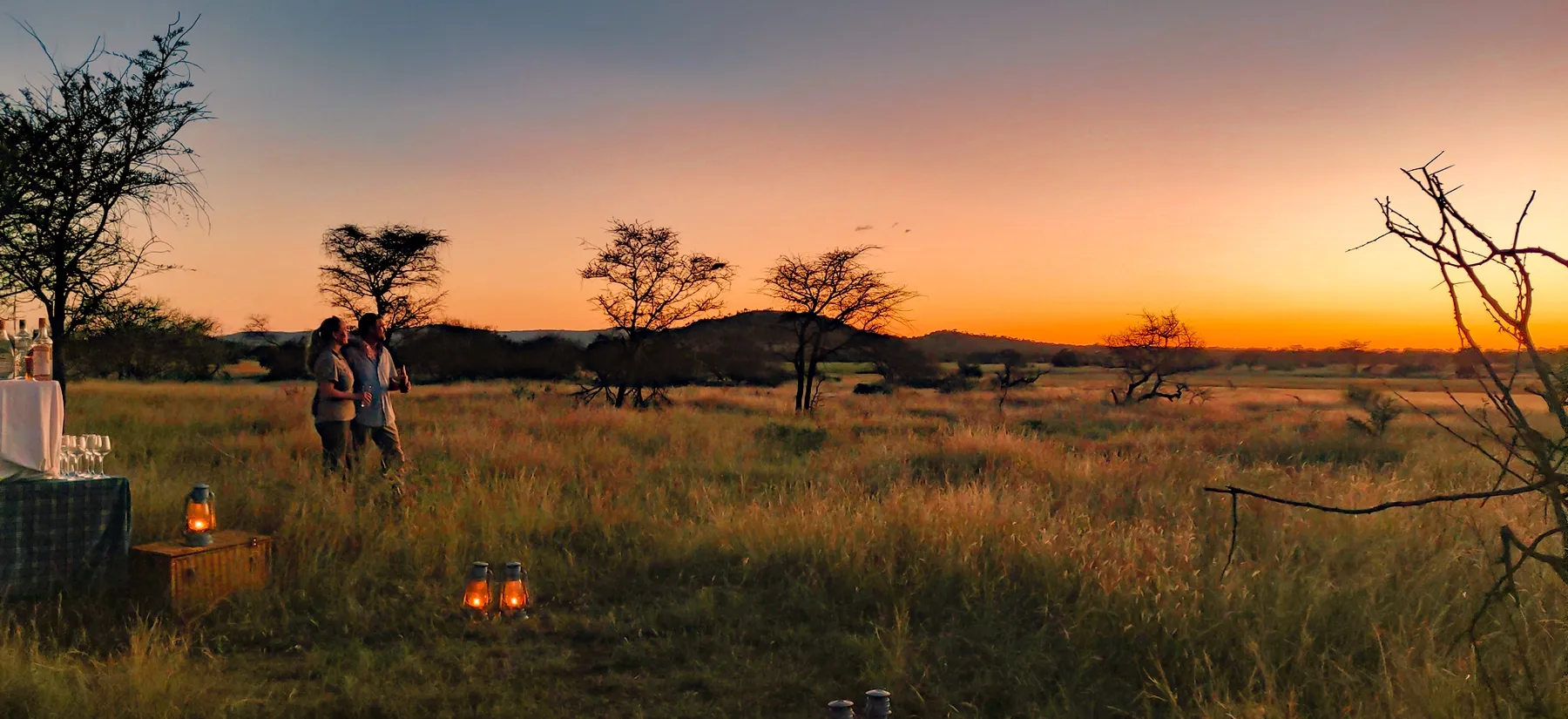
A Big Five trip does not have to be purely adventurous. Tanzania is also a popular destination for couples looking for a combination of wildlife and romance.
A private Tanzania honeymoon package itinerary can combine game drives with secluded camps, private dinners, and scenic landscapes.
A honeymoon safari can be designed around slower mornings, private game drives, and romantic evenings in the bush. Couples can also consider a romantic safari that combines the Serengeti with a relaxing beach extension.
For something especially memorable, a wedding safari can combine a celebration with a private wildlife adventure.
Big 5 Safari Africa for Families
A safari can also work exceptionally well for families when the itinerary is planned around age, travel time, and comfort.
A family & kids safari should avoid unnecessarily long driving days and allow plenty of downtime between game drives. Choosing comfortable camps and private transfers can make the experience easier for younger travellers.
Families can also combine wildlife viewing with educational activities, photography, and cultural experiences, helping children understand why protected areas and conservation are important.
Birding and Other Safari Experiences
The Big Five may be the headline attraction, but they are only part of the safari experience.
A birding safari can reveal colorful kingfishers, eagles, hornbills, storks, vultures, and many other species that are easy to overlook when concentrating only on large mammals.
Travellers can also consider different safari activities depending on the destination and local regulations. Walking experiences, cultural visits, scenic drives and photography-focused outings can add variety to a traditional game-drive itinerary.
How Many Days Do You Need for a Big 5 Safari?
For Tanzania, around 5 to 10 days can provide a good foundation for a Big Five-focused journey.
A shorter trip might focus on two major wildlife areas, such as Serengeti and Ngorongoro.
A longer itinerary can add Tarangire or another destination and allow more time for wildlife viewing without rushing between locations.
The important thing is not simply the number of days. Time spent in productive wildlife areas matters more than constantly changing camps.
A well-designed itinerary gives you multiple game drives at different times of day, increasing your opportunities to encounter animals behaving naturally.
What Should You Pack for a Big 5 Safari?
For a comfortable safari, focus on practical and lightweight clothing.
Essential items include:
- Neutral-colored lightweight clothing
- Comfortable walking shoes
- A warm layer for early morning drives
- Sun hat and sunglasses
- Sunscreen
- Binoculars
- Camera and spare batteries
- Personal medications
- Reusable water bottle
- Small day bag
A telephoto lens can be useful for wildlife photography, but you do not need professional equipment to enjoy the experience.
Most importantly, bring patience. Wildlife does not perform on a schedule.
How to Increase Your Chances of Seeing the Big Five
There are several simple ways to improve your chances.
Choose the right parks.
A combination such as Serengeti and Ngorongoro can offer complementary wildlife habitats.
Travel during a suitable season
Dry-season conditions often make wildlife easier to locate, although green-season travel has its own advantages.
Spend more time in productive areas.
Rather than rushing through multiple parks, allow enough time for repeated game drives.
Use experienced guides.
Knowledge of animal behavior, tracks, habitats, and recent sightings can make a major difference.
Start early.
Early morning is one of the most rewarding periods for wildlife activity and photography.
Stay flexible.
Your guide may change the day’s route based on recent animal movements. Flexibility can turn an ordinary game drive into an unforgettable sighting.
Frequently Asked Questions About Big 5 Safari Africa
- What are the Big Five animals in Africa?
The Big Five are the lion, leopard, African elephant, rhinoceros, and Cape buffalo. The term originally referred to five animals considered particularly challenging and dangerous to hunt on foot; today it is primarily associated with wildlife tourism and conservation. - Where is the best place for a Big 5 safari in Africa?
There is no single destination that is best for every traveler. Tanzania’s Serengeti and Ngorongoro Crater, Kenya’s Maasai Mara and Laikipia, and South Africa’s Greater Kruger are among the leading options. - Can you see all the Big Five in Tanzania?
Yes, it is possible to see all five in Tanzania, although sightings are never guaranteed. A combination of Serengeti and Ngorongoro Craters can give travellers strong opportunities to encounter the five species. - What is the hardest Big Five animal to see?
Rhino is often the most difficult of the five to locate consistently because populations are smaller and heavily protected. Leopard can also be challenging because of its secretive behavior. - What is the best month for a Big Five safari?
For Tanzania, the dry-season months from roughly June to October are generally excellent for wildlife viewing. January to March is also attractive for travellers interested in the calving season and predator activity.
Final Thoughts: Planning Your Big 5 Safari in Africa
A Big 5 safari Africa is about much more than checking five animals off a list. It is about watching a lion pride interact at sunrise, following elephants across open plains, searching patiently for a leopard in the trees, encountering buffalo herds, and understanding why a rhino sighting can feel so extraordinary.
Tanzania offers an especially compelling combination of wildlife, landscapes, and safari experiences. The Serengeti of Tanzania, Ngorongoro Crater, and the wider Northern Circuit can form the foundation of a memorable Big Five journey.
You can also build the safari around your personal interests—whether that means a Tanzania Honeymoon Packages experience, a Family & Kids Safari, a Honeymoon Safari, a Wedding Safari, a Birding Safari, or a migration-focused adventure.
The goal should not simply be to see the Big Five as quickly as possible. Give yourself enough time to experience the wilderness properly, choose the right season, and allow your guide and the landscape to shape the journey.
Ready to plan your Big 5 safari?
Our safari specialists can help you create a personalized Tanzania itinerary focused on wildlife, comfort, and unforgettable experiences.