What is the best time for a Serengeti safari? The best overall time is June to October, when dry weather, thinner vegetation, and concentrated wildlife make game viewing easier. However, the best time depends on what you want to experience. Visit from January to March for the wildebeest calving season and intense predator activity, while July to October offers the best opportunity to see the Great Migration in the northern Serengeti and possible Mara River crossings.
The Serengeti is a year-round safari destination, so there isn’t one perfect month for everyone. Your ideal travel period depends on wildlife, migration movements, weather, crowds, photography, and budget.
If you’re planning your first safari in Serengeti, Tanzania, understanding how the seasons affect different parts of the park can help you choose the right dates and itinerary.
June to October: Best Overall Time for a Serengeti Safari
If you want the simplest answer to when the best time is for a Serengeti safari, choose June to October.
This is the long dry season. Rainfall is generally limited, vegetation becomes thinner, and wildlife is often easier to locate around rivers, waterholes, and other reliable water sources. The weather also tends to be sunny and comfortable for long game drives.
This period is particularly popular with first-time safari travellers, as it combines good wildlife viewing with relatively predictable weather.
Why visit during the dry season?
- Easier wildlife spotting
- Less dense vegetation
- Excellent predator viewing
- Good conditions for photography
- Generally dry roads
- Excellent opportunities for migration viewing
- Comfortable daytime safari conditions
The main disadvantage is popularity. July through September can be busy, especially in areas associated with major migration activity.
If you prefer a balance between wildlife and fewer visitors, June and October can be particularly attractive.
January to March: Best for Calving Season
January through March offers an entirely different Serengeti experience.
The wildebeest herds move into the southern plains, where fresh grass provides excellent nutrition for mothers and newborn calves. February is generally regarded as the peak calving period, although the precise timing depends on rainfall and grass conditions.
A calving season safari is especially rewarding for travelers interested in predator behavior.
Newborn wildebeest attract lions, cheetahs, hyenas, and other predators. The result can be some of the most dramatic wildlife viewing of the year.
The scenery is also greener than during the dry season, creating excellent conditions for photography.
Why choose January to March?
- Newborn wildebeest
- Excellent predator activity
- Green landscapes
- Strong photographic conditions
- Large concentrations of grazing animals
- Fewer visitors than the peak river-crossing period in some areas
If your primary goal is the dramatic river-crossing spectacle, however, this isn’t the season to target.
July to October: Best for the Great Migration
The Great Migration is not a single event that happens on one fixed date. It is a continuous movement of wildebeest, zebras, and other grazing animals through the Serengeti-Mara ecosystem.
During the dry season, the herds move into the northern Serengeti, creating opportunities for some of the most famous wildlife scenes in East Africa.
July and August
July and August are popular months for travelers hoping to see large herds in northern Tanzania.
The migration can also produce dramatic predator encounters as lions, cheetahs, and hyenas follow the concentration of prey.
September
September remains an excellent month for northern Serengeti migration experiences. Depending on rainfall and herd movements, travellers may have the chance to witness river crossings.
However, river crossings are wildlife events, not scheduled shows. There is no guarantee that a crossing will happen on a particular day, even when you’re visiting during the traditional crossing season.
October
October can offer a useful combination of dry-season wildlife viewing and the later part of the northern migration period.
It can also be an appealing month for travellers who want excellent wildlife but prefer to avoid some of the busiest weeks of peak season.
April and May: Best for Green Scenery and Value
April and May are traditionally associated with the long rains.
This makes them less popular than the dry season, but that doesn’t mean the Serengeti stops being a fantastic safari destination.
The landscape becomes lush and green, migratory birds are present, and visitor numbers can be lower. Some safari travellers specifically choose this period because they value quieter game drives and greener scenery more than the predictability of the dry season.
Rain can sometimes affect road conditions, particularly during heavier periods, so you should plan your itinerary carefully.
For photographers, however, the dramatic skies, fresh vegetation, and fewer vehicles can create a very different Serengeti experience.
November and December: The Green Season Returns
Short rains typically arrive around November and can transform the landscape.
The rains encourage fresh grass growth, while migratory birds make the Serengeti especially attractive for birdwatchers.
This is also a useful period for travellers who want a less crowded experience without sacrificing the chance for excellent wildlife viewing.
A birding safari can be particularly rewarding during the wetter months because many migratory species are present.
Best Time for the Big Five in Serengeti
If your primary goal is seeing lions, leopards, elephants, buffalo, and other major African wildlife, the dry season is generally an excellent choice.
From June to October, the vegetation thins out, and animals often gather around the remaining water sources, making them easier to find.
That said, the Serengeti has substantial resident wildlife throughout the year. You don’t need to visit during peak migration season to have a rewarding safari.
For travelers specifically interested in the Big 5 Safari Africa experience, combining the Serengeti with other northern Tanzania destinations can create a more comprehensive wildlife itinerary.
Best Time for Photography in the Serengeti
Photography is excellent throughout the year, but different seasons create different opportunities.
Dry season photography
June to October offers clear skies, golden grasslands, and excellent visibility. Early mornings can be especially atmospheric, with soft light over the plains.
Green season photography
November through May produces vibrant landscapes, dramatic clouds, and fresh vegetation.
January through March can be particularly compelling because young animals and predator activity add action to the landscape.
If photography is your priority, don’t choose dates solely because they are considered “peak safari season.” Consider what type of images you want to create.
Best Time for a Luxury Serengeti Safari
Luxury safari travelers can enjoy the Serengeti all year round.
During the dry season, premium camps in popular wildlife areas can be in high demand, particularly during the migration period.
A luxury tent safari in Tanzania can be particularly appealing because it combines close access to wildlife areas with comfortable accommodation and an immersive bush atmosphere.
For couples, the Serengeti can also be incorporated into Tanzania Honeymoon Packages, combining wildlife experiences with private dinners, scenic locations, and romantic accommodation.
A honeymoon safari can be designed around private game drives and relaxed camp stays rather than trying to cover too many destinations.
Best Time for a Family Serengeti Safari
Families should consider more than wildlife when selecting their travel dates.
Weather, road conditions, driving distances, and the amount of time spent in vehicles can all affect the experience.
A Family & Kids Safari is often best when the itinerary includes comfortable accommodation, shorter transfers, and plenty of time for relaxation.
June through October can be attractive for families because dry conditions generally make road travel easier.
However, January and February can also be excellent if your children are particularly interested in seeing newborn animals.
Best Time for a Romantic or Wedding Safari
The Serengeti is an extraordinary setting for a couple’s safari.
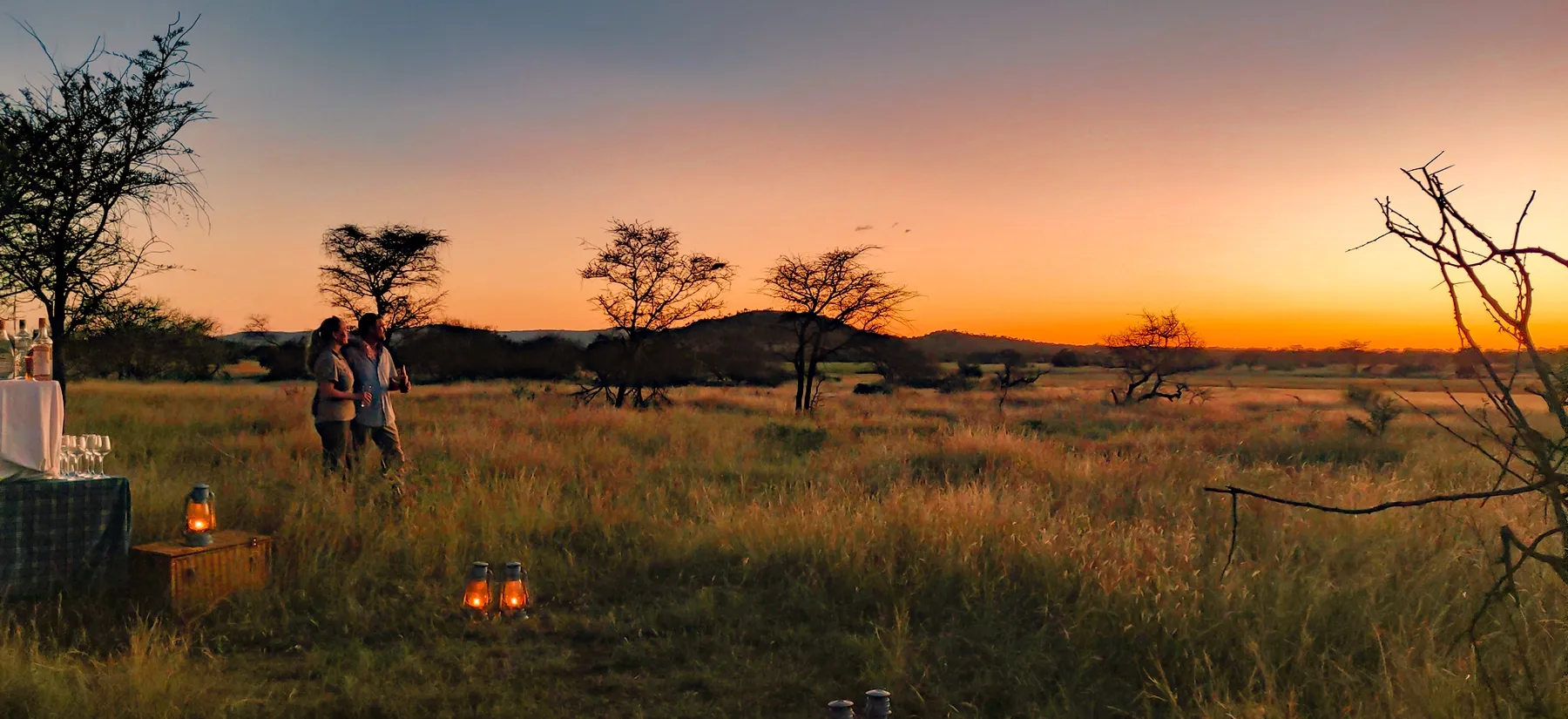
A romantic safari can include private game drives, sunset experiences, and secluded accommodation.
Couples planning a wedding safari can combine a wildlife adventure with an intimate celebration in the African bush.
For honeymooners, January through March offers green landscapes and newborn wildlife, while June through October provides classic dry-season scenery and excellent wildlife viewing.
The best choice ultimately depends on whether your priority is wildlife, weather, privacy, or migration.
Best Time for a Hot Air Balloon Safari
A hot air balloon safari in Tanzania is one of the most memorable ways to experience the Serengeti.
Flights typically take place around sunrise, when the landscape is at its most atmospheric. From above, you can see the enormous scale of the plains, wildlife trails and herds moving across the landscape.
Balloon safaris can be incorporated into both luxury and honeymoon itineraries.
If you’re planning a special trip, adding a balloon flight to a traditional game-drive safari can provide a completely different perspective of the Serengeti.
Where Should You Stay Based on the Season?
Choosing the right region can be just as important as choosing the right month.
The Serengeti is enormous, and wildlife movements change throughout the year.
- Central Serengeti: Central Serengeti is a strong year-round option and is particularly useful for travelers who want resident wildlife and access to different parts of the park.
- Southern Serengeti: The southern plains are especially important during the January–March calving season.
- Western Serengeti: The Western Corridor becomes particularly interesting as migration herds move through during parts of the year.
- Northern Serengeti: Northern Serengeti is the key region for travellers targeting the later migration period and possible Mara River crossings.
This is why your itinerary should be designed around both when you visit and where you stay.
Month-by-Month Serengeti Safari Guide
- January: Green landscapes, resident wildlife, and the beginning of the calving period make January an excellent month.
- February: February is one of the strongest months for calving and predator activity in the southern Serengeti.
- March: March can still offer calving-related wildlife experiences, although rainfall begins to become more significant.
- April: April is part of the long-rain period. The landscape is lush, and visitor numbers can be lower.
- May: May continues the green season and can appeal to travelers seeking fewer crowds and photographic scenery.
- June: June marks the beginning of the dry season and can offer excellent wildlife viewing as conditions become drier.
- July: July is a major safari month, with dry-season wildlife and migration activity attracting visitors to northern Tanzania.
- August: August is one of the most popular periods for northern Serengeti migration experiences and possible river crossings.
- September: September remains excellent for northern Serengeti wildlife and migration viewing.
- October: October can offer excellent dry-season wildlife while the migration period continues to evolve.
- November: The short rains bring fresh vegetation and can create beautiful green landscapes.
- December: December combines returning rains, greener scenery, and good resident wildlife viewing.
How to Choose the Best Month for Your Serengeti Safari
Instead of just asking, “What is the best time for a Serengeti safari?” focus on your main goal first.
Want the best overall wildlife viewing?
Choose June to October.
Want to see newborn wildebeest?
Choose January to March, particularly February.
Want to see possible Mara River crossings?
Target July to October, with August and September commonly associated with peak opportunities.
Want green landscapes and fewer visitors?
Consider April, May, or November.
Want excellent wildlife with a balance of conditions and crowds?
June and October are worth considering.
Want a honeymoon?
Choose the season that best matches your wildlife priorities, then build a private itinerary around it.
5 People Also Ask About the Best Time for a Serengeti Safari
1. What is the best month to visit Serengeti?
There is no single best month for everyone. June to October is the strongest overall period for dry-season wildlife viewing, while February is particularly attractive for calving and predator activity.
2. What is the best time to see the Great Migration in Serengeti?
The migration is present throughout the year, but July to October is the key period for northern Serengeti experiences and possible Mara River crossings. Exact timing varies according to rainfall and herd movements.
3. Is January a good time to visit Serengeti?
Yes. January can provide excellent wildlife viewing, green scenery, and the beginning of the southern calving season.
4. Is April a bad time for a Serengeti safari?
No. April is wetter and can have more challenging road conditions, but it offers lush landscapes, fewer visitors, and good wildlife viewing.
5. How many days should I spend in Serengeti?
Three to four nights is a good starting point for a Serengeti-focused safari. Longer stays allow you to explore different areas and increase your opportunities for varied wildlife encounters.
5 FAQs About the Best Time for Serengeti Safari
Is June better than July for a Serengeti safari?
Both can be excellent. June offers the beginning of the dry season and can provide a useful balance of wildlife, weather, and visitor numbers. July is more popular and can offer stronger migration activity in northern areas.
When is the Serengeti least crowded?
April and May generally have fewer visitors than the peak dry-season months. Early November can also provide a quieter experience.
Can I see the Big Five year-round?
Yes. Resident wildlife remains in the Serengeti throughout the year. The dry season can make animals easier to locate, but excellent sightings are possible during other months too.
Is the rainy season worth visiting?
Absolutely. The green season offers lush scenery, migratory birds, and potentially fewer visitors. Short rains often occur in bursts rather than continuous rain, although the longer rains can affect road conditions.
Can I combine a Serengeti safari with a Tanzania honeymoon?
Yes. A safari can be combined with romantic accommodation and other experiences to create a personalized honeymoon. Tanzania honeymoon packages can be tailored around your preferred wildlife season and travel style.
Final Thoughts
The best time for a Serengeti safari depends on what you want your journey to be about.
For classic wildlife viewing, reliable dry conditions, and the possibility of experiencing the Great Migration in northern Tanzania, June to October is the easiest recommendation.
For newborn wildebeest, dramatic predator interactions and green southern plains, January to March can be even more rewarding.
And if you value quiet landscapes, fewer visitors, and vibrant scenery, the green season deserves serious consideration.
The most important thing is to match your travel month, safari region, and itinerary rather than simply choosing the most popular season. The Serengeti is a living ecosystem, and every season offers something different. “Once you’ve settled on timing, choosing the right Tanzania safari operator is the next big decision.”
Planning your Serengeti adventure?
Our safari specialists can help you choose the right season, region, and itinerary based on your wildlife interests, travel dates, and preferred style.