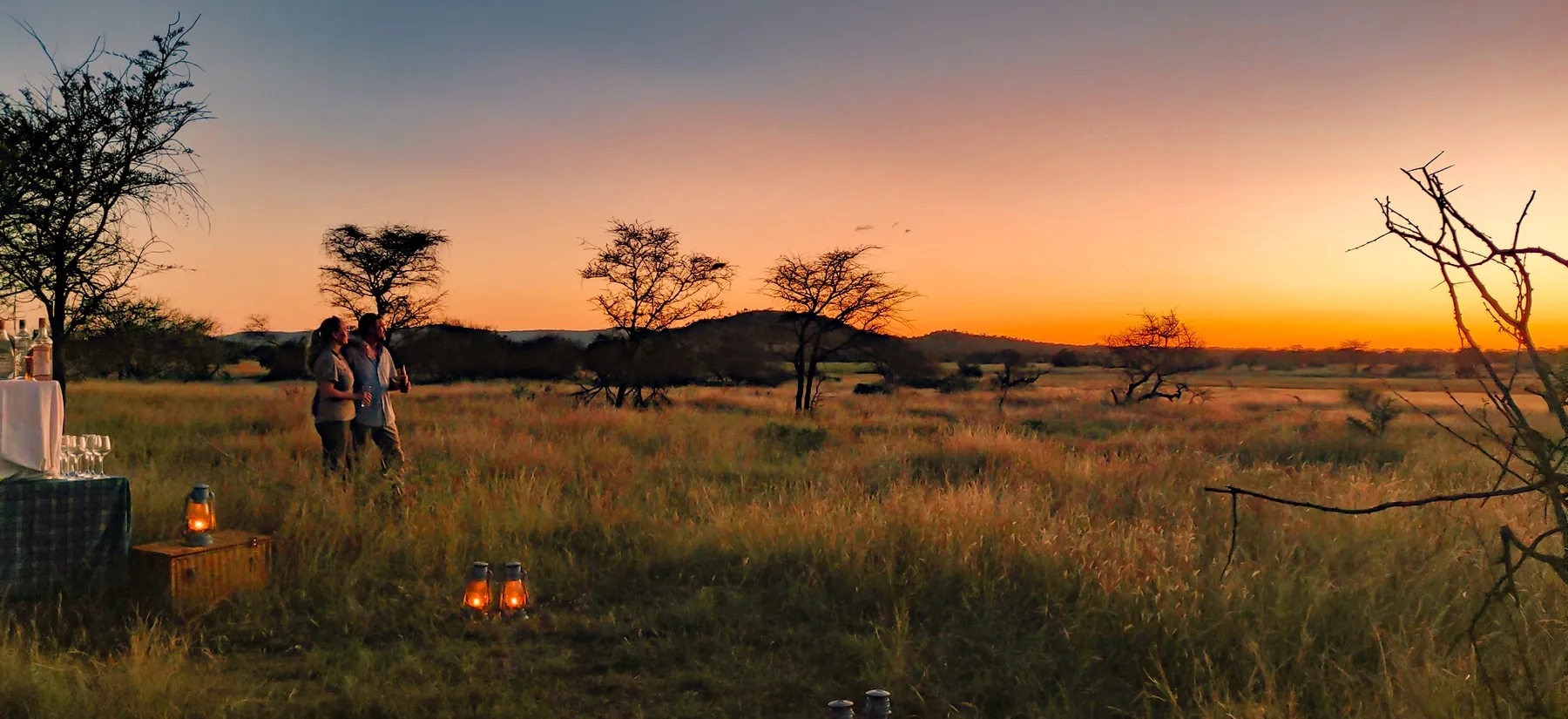
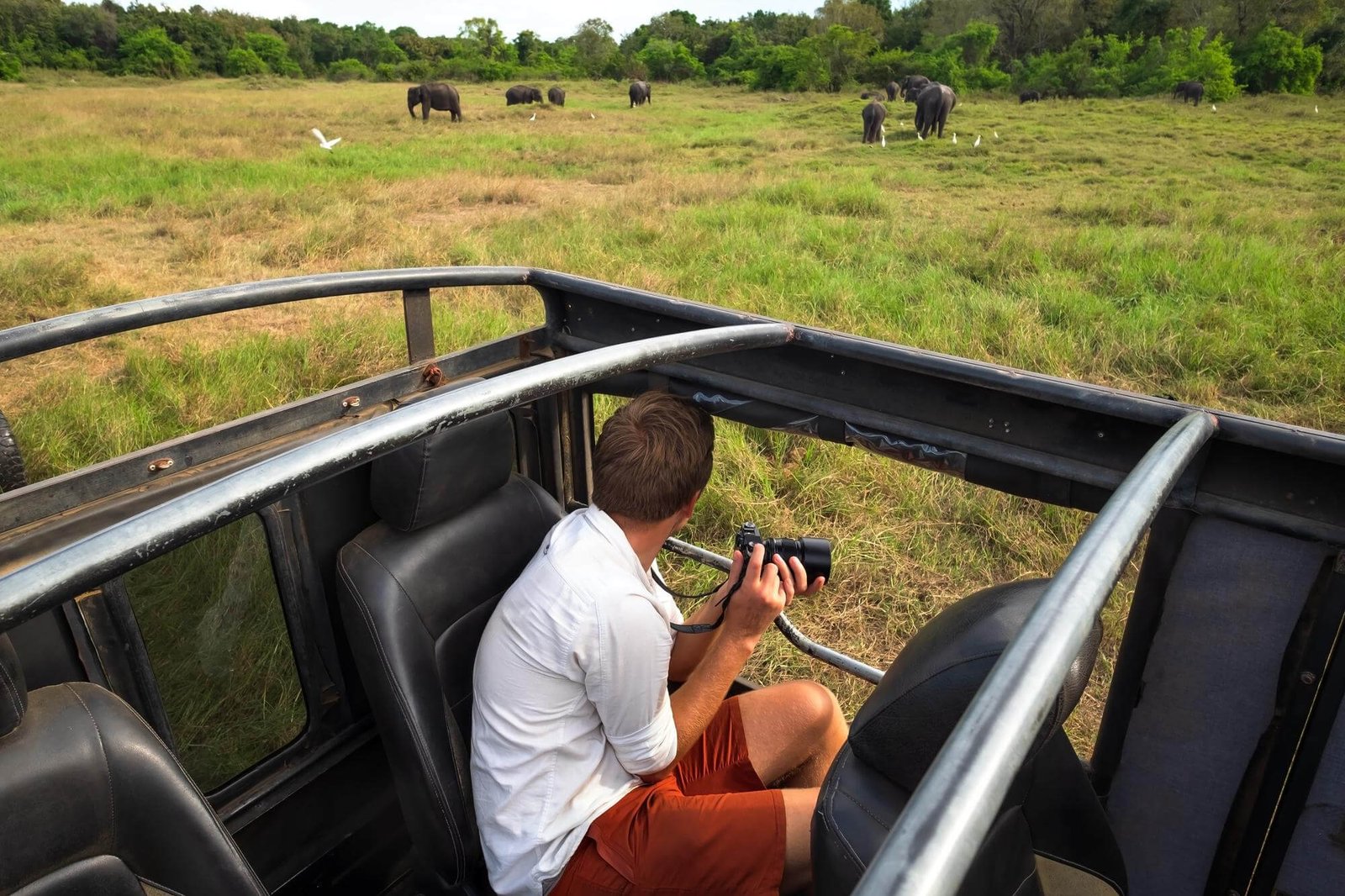
The best tours and safaris in Tanzania for first-time visitors combine exceptional wildlife viewing, comfortable accommodation, experienced guides, and a well-planned itinerary. For most travellers, the Northern Safari Circuit is an excellent starting point because it includes famous destinations such as Serengeti National Park, Ngorongoro Crater, and Tarangire National Park.
A first Tanzania safari typically lasts around 5–10 days, depending on your budget and travel plans. You can choose a shared safari to keep costs manageable, a private safari for greater flexibility, or a luxury itinerary featuring premium lodges and personalised service. The right option depends on your travel dates, wildlife interests, and the experience you want.
Why Choose Tanzania for Your First Safari?
Tanzania is one of Africa’s most rewarding safari destinations, offering expansive savannahs, diverse wildlife, beautiful landscapes, and a wide range of accommodation options.
For first-time visitors, the country provides opportunities to see lions, elephants, giraffes, zebras, buffalo, leopards, cheetahs, and many other animals in their natural habitats.
Tanzania is also home to the Great Migration, an annual movement of wildebeest and zebras across the Serengeti ecosystem. Depending on the season, visitors may see large herds moving across the plains, newborn animals, or predators following the migration.
Another advantage is the variety of experiences available. You can enjoy traditional game drives, stay in luxury tented camps, explore the Ngorongoro Crater, or finish your journey with a relaxing beach holiday in Zanzibar.
The best tours and safaris in Tanzania allow you to experience these highlights without trying to visit too many places in a limited amount of time.
1. Serengeti National Park: Best for Classic African Wildlife
The Serengeti is often the highlight of a first Tanzania safari.
Its open plains, scattered acacia trees, and abundant wildlife create the classic African safari landscape many travellers imagine before arriving.
During game drives, you may encounter lions resting in the grass, cheetahs scanning the plains, elephants moving between feeding areas, and large herds of wildebeest and zebras.
The Serengeti is also one of the principal locations associated with the Great Migration. However, the herds move throughout the wider ecosystem, so the best area to visit depends on your travel dates.
If you are planning your first visit, spend at least two or three nights in the Serengeti when your schedule and budget allow. This gives you more time for wildlife viewing than a quick stop between destinations.
You can learn more about the destination in this guide to the Serengeti of Tanzania.
2. Ngorongoro Crater: Excellent Wildlife Viewing
Ngorongoro Crater is another major highlight of Tanzania’s Northern Safari Circuit.
The crater’s distinctive landscape supports a wide variety of wildlife, making it an excellent destination for travellers who want a productive game-viewing experience within a relatively compact area.
Depending on conditions, visitors may see lions, elephants, buffalo, zebras, wildebeest, hippos, and other species. The crater is also one of the places where travellers may have an opportunity to see a black rhino, although sightings are never guaranteed.
A crater visit often fits naturally into an itinerary between Tarangire and the Serengeti.
Because the crater experience is commonly planned as a day trip, you can enjoy substantial wildlife viewing without needing to change accommodation every night.
3. Tarangire National Park: Best for Elephants and Scenic Landscapes
Tarangire National Park is a strong addition to a first-time Tanzania safari, particularly for travellers interested in elephants and distinctive landscapes.
The park is known for its baobab trees, varied habitats, and seasonal wildlife concentrations. During drier periods, the Tarangire River can attract animals from surrounding areas.
Game drives may reveal elephants, giraffes, zebras, wildebeest, buffalo, and several predator species.
Tarangire is also a useful first stop on a Northern Circuit itinerary because it introduces visitors to Tanzania’s wildlife before they continue to Ngorongoro and the Serengeti.
If you have around a week for your trip, combining Tarangire, Ngorongoro, and the Serengeti can provide a rewarding introduction to the country.
4. What Is the Best Time for a Tanzania Safari?
The best time depends on your wildlife priorities, preferred weather, budget, and the destinations you plan to visit.
June to October
The dry season is popular for wildlife viewing in many northern safari areas. Vegetation is often thinner, and animals may gather around reliable water sources.
This period is also associated with migration activity in parts of the Serengeti and, depending on the herds’ movements, opportunities to witness river crossings.
January to March
The southern Serengeti and Ndutu regions can be particularly rewarding during the wildebeest calving season.
Large concentrations of animals and newborn calves can attract predators, making this period interesting for wildlife enthusiasts and photographers.
November to December
The short rains can bring greener scenery and seasonal changes in wildlife distribution. Some areas may be quieter, although holiday periods can still be busy.
For more detailed seasonal planning, read the Best Time for Serengeti Safari guide before choosing your travel dates.
Remember that wildlife movements depend on rainfall and natural conditions, so no operator can guarantee a particular migration event on a specific day.
5. Choose Between Shared, Private, and Luxury Safaris
Not every traveller needs the same safari experience. Choosing the right tour style helps you balance comfort, flexibility, and cost.
Shared Safaris
Shared safaris allow travellers to split vehicle and guide costs with other guests. They can be a practical option for solo travelers, couples, or small groups who want to experience Tanzania without paying for a dedicated vehicle.
Check the group size, accommodation standard, and daily itinerary before booking.
Private Safaris
A private safari gives your group a dedicated vehicle and guide, generally providing greater control over departure times, photography stops, and the pace of game drives.
For travellers who want a personalised itinerary, Private Game Drives in Tanzania can be worth considering.
Private safaris are especially appealing to families, couples, photographers, and visitors with particular wildlife interests.
Luxury Safaris
Luxury safaris typically combine premium lodges or tented camps with quality dining, attentive service, and carefully planned transport.
Depending on the package, you may also have private vehicles, internal flights, special dining experiences, or additional activities.
Luxury does not always mean visiting more places. A well-positioned lodge and an experienced guide can make a bigger difference than an itinerary packed with destinations.
6. How Much Do Tours and Safaris in Tanzania Cost?
The cost of tours and safaris in Tanzania depends on the length of the trip, travel season, accommodation, group size, transport, and activities.
Your main expenses may include:
- Safari accommodation
- National park and conservation fees
- Safari vehicle and guide
- Meals and drinks
- Domestic flights and road transfers
- Optional activities
- Airport transfers and other logistics
Shared safaris generally cost less per person than private tours. Mid-range lodges can offer a balance between comfort and price, while luxury camps and private itineraries usually require a larger budget.
When comparing Tanzania Safari Packages, check exactly what is included. Two packages with similar prices may differ significantly in accommodation, park fees, transfers, meals, and private vehicle arrangements.
Ask for a written breakdown of inclusions and exclusions before paying a deposit.
7. A Recommended 7-Day Tanzania Safari Itinerary
If this is your first visit, a seven-day Northern Circuit itinerary is a useful starting point.
Days 1–2: Tarangire National Park
Begin with wildlife drives through Tarangire’s varied landscapes. Depending on the season, you may see elephants, giraffes, zebras, and other wildlife.
Day 3: Ngorongoro Conservation Area
Travel toward Ngorongoro and stay in the surrounding area. Your accommodation location will affect transfer times and the timing of your crater visit.
Day 4: Ngorongoro Crater
Spend the day exploring the crater floor with a guide, looking for wildlife in different habitats.
Days 5–6: Serengeti National Park
Continue to the Serengeti for game drives across the plains. Choose the region according to your travel dates and wildlife priorities.
Day 7: Departure or onwards travel
Travel toward your departure point or continue to another destination if your schedule allows.
This itinerary is an example rather than a fixed route. Actual driving times and the best order of destinations depend on your arrival airport, accommodation, and travel season.
If you have 9–10 days, consider adding extra Serengeti nights or continuing to Zanzibar instead of squeezing in several more parks.
8. Can You Combine a Tanzania Safari With Other Experiences?
Yes. Tanzania offers options for travellers who want more than traditional game drives.
Safari and Beach Holiday
After exploring the Northern Circuit, you can travel to Zanzibar for beaches, cultural experiences, and time to relax.
This combination works particularly well for couples and travellers who want to balance wildlife adventures with a slower-paced holiday.
Big Five Wildlife Experience
If seeing Africa’s iconic animals is your priority, a Big 5 Safari Africa experience can help you plan around lions, leopards, elephants, buffalo, and rhinos.
Remember that wildlife sightings are never guaranteed, even in excellent safari destinations.
Kilimanjaro and Safari
Some visitors combine a Mount Kilimanjaro trek with a wildlife safari. This requires additional planning because climbing involves several days of physical activity, proper acclimatization, and recovery time.
If you want to combine both experiences, make sure your schedule allows enough time for the climb and safari rather than rushing from one to the other.
9. How to Choose a Reliable Tanzania Safari Operator
The safari operator you choose can influence the quality, safety, and organization of your trip.
A reliable tanzania safari operator should explain your itinerary clearly, answer questions about accommodation and transport, and provide a detailed quotation.
Before booking, ask:
- Which national parks are included?
- What accommodation categories are provided?
- Are park fees and meals included?
- Is the safari vehicle private or shared?
- How long are the transfers between destinations?
- Are domestic flights included?
- What are the booking and cancellation terms?
Check recent independent reviews, confirm the company’s operating details, and ensure that the itinerary matches your budget and travel dates.
Be cautious of prices that appear unusually low but do not explain accommodation standards, park fees, or transport arrangements.
10. What Should First-Time Visitors Pack?
A practical packing list can make your safari more comfortable.
Consider bringing:
- Lightweight, breathable clothing
- Neutral-colored shirts and trousers
- A warm layer for early-morning drives
- Comfortable walking shoes
- A sun hat and sunglasses
- Sunscreen and insect repellent
- Binoculars and a camera
- Spare batteries or a power bank
- Personal medication
- A reusable water bottle
Check baggage limits before taking domestic flights, as small aircraft may have strict weight and luggage requirements.
For health preparation, consult a qualified travel-health professional about recommended vaccinations, malaria prevention, and other precautions well before departure. Entry requirements can vary according to your travel history and nationality, so check official guidance before travelling.
FAQs and People Also Ask About Tours and Safaris in Tanzania
1. What are the best tours and safaris in Tanzania for first-time visitors?
A Northern Circuit safari combining Tarangire, Ngorongoro Crater, and Serengeti National Park is an excellent starting point for many first-time visitors.
2. How many days do you need for a Tanzania safari?
Five to seven days can provide a useful introduction to the Northern Circuit. Around 9–10 days allows more time for the Serengeti or an additional destination.
3. What is the best month to visit Tanzania for a safari?
June to October is popular for dry-season wildlife viewing, while January to March can be excellent for the southern Serengeti calving season. The best month depends on the experience you want.
4. Is a private safari better than a shared safari?
A private safari offers more flexibility and privacy, while a shared safari can be more economical. The right choice depends on your budget, group size, and preferred travel style.
5. Can first-time visitors combine a Tanzania safari with Zanzibar?
Yes. Many travelers explore the Serengeti and other northern parks before continuing to Zanzibar for beaches and cultural experiences.
6. Is Tanzania suitable for a first African safari?
Yes. Tanzania has established safari routes, experienced guides, a variety of accommodation options, and internationally recognized wildlife destinations.
7. Can I see the Big Five in Tanzania?
Tanzania offers opportunities to see lion, leopard, elephant, buffalo, and rhino. Sightings depend on the destination, season, and luck.
8. Should I book my safari in advance?
Booking in advance is advisable if you plan to travel during busy periods or want a specific lodge. Popular properties and well-positioned migration camps can have limited availability.
9. Is a guided safari recommended for beginners?
A guided safari is generally a practical option for first-time visitors because the guide manages driving, wildlife spotting, park rules, and daily logistics.
10. What is included in a typical Tanzania safari package?
Packages often include accommodation, meals, a safari vehicle, a guide, and some park fees, but inclusions vary. Always confirm the details in writing.
Plan Your First Tanzania Safari
The best tours and safaris in Tanzania combine the right destinations, seasonal planning, comfortable accommodation, and experienced guiding.
For many first-time visitors, Tarangire, Ngorongoro Crater, and the Serengeti provide an excellent introduction to Tanzania’s wildlife. From there, you can tailor your itinerary around your budget, preferred accommodation, and interest in private game drives, the Great Migration, or a beach extension.
You do not need to visit every park to have a memorable safari. A well-planned route with enough time for wildlife viewing is often the better choice.
Ready to plan your Tanzania safari?
Explore an itinerary based on your travel dates, budget, and preferred wildlife experiences.
Click here to Plan Your Safari