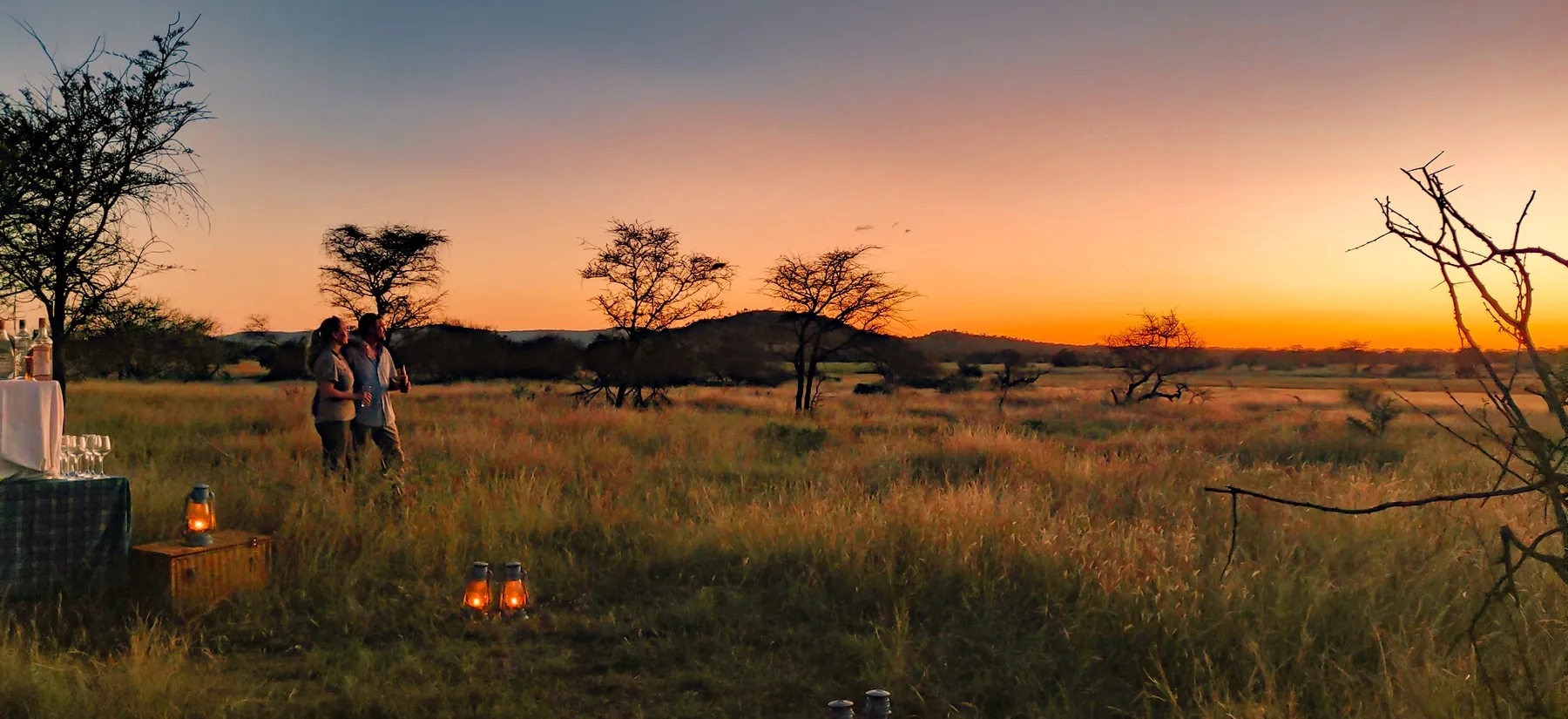
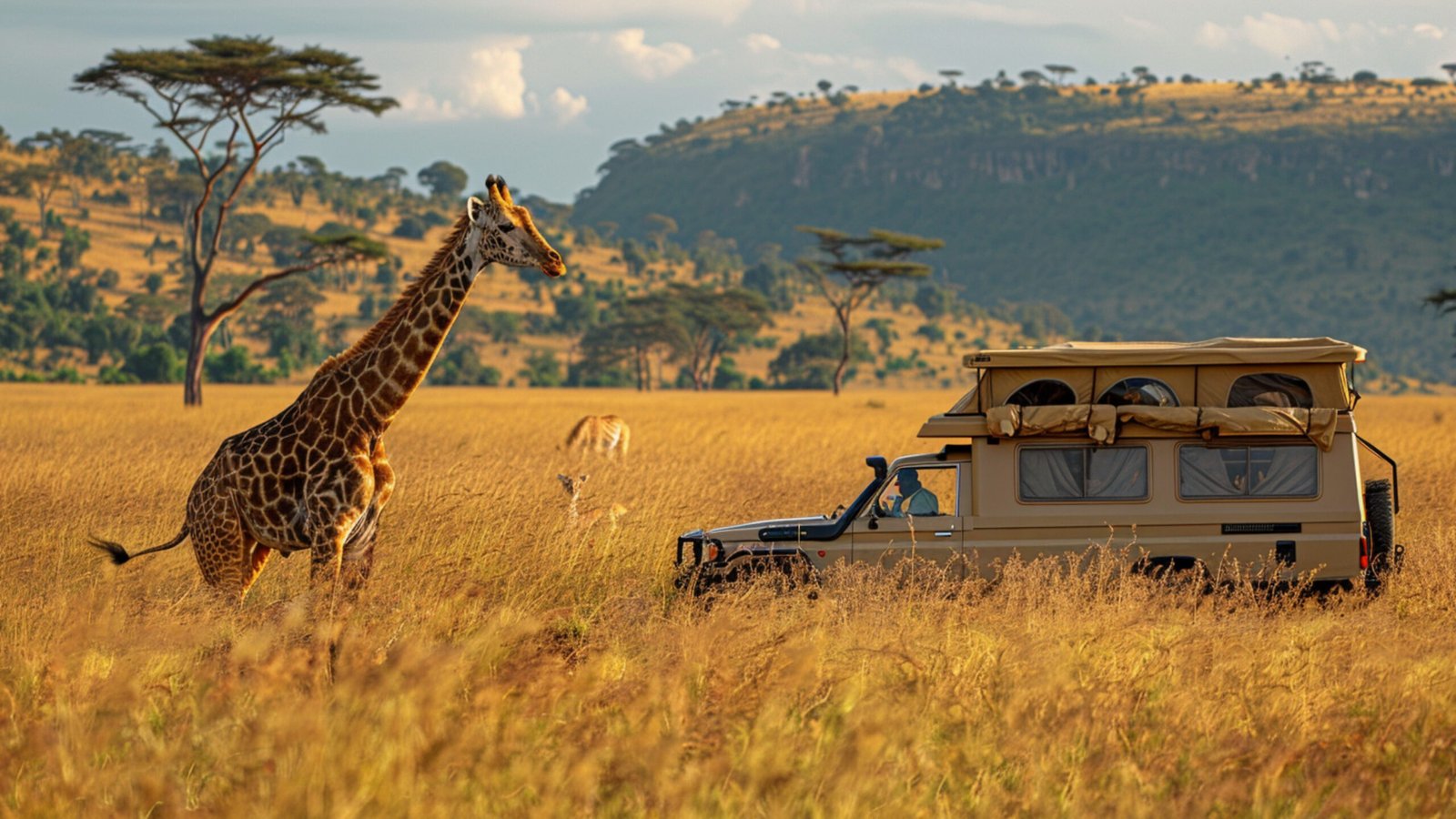
Imagine watching a pride of lions resting beneath an acacia tree, spotting elephants moving across open grasslands, or seeing thousands of wildebeest traveling across the plains. These are some of the experiences that make Serengeti National Park one of Africa’s most recognized safari destinations.
Located in northern Tanzania, the Serengeti is famous for its expansive savannah landscapes, diverse wildlife, and the spectacular Great Wildebeest Migration. It offers opportunities to explore different ecosystems, observe predators in their natural habitat, and experience the African wilderness through guided game drives.
Whether you are planning your first African safari, a photography-focused adventure, or a luxury wildlife holiday, the Serengeti offers experiences that can make your journey memorable.
But what makes this destination so special? Let’s explore its wildlife, landscapes, safari experiences, accommodation options, and the best ways to plan your visit.
Where Is Serengeti National Park Located?
Serengeti National Park is located in northern Tanzania, close to the country’s border with Kenya. It forms part of the wider Serengeti ecosystem, which extends beyond the park into neighboring conservation areas and Kenya’s Maasai Mara.
The park covers approximately 14,763 square kilometers, making it one of Tanzania’s largest and most important protected wildlife areas.
Its landscape includes:
- Open grassland plains.
- Acacia woodlands.
- Rocky granite outcrops known as kopjes.
- River valleys and seasonal water sources.
- Areas of woodland and rolling hills.
These different environments support a wide variety of wildlife. The scenery also changes across the park, giving visitors different experiences depending on the region they explore.
If you want to understand the destination in greater detail, explore our guide to the Serengeti of Tanzania.
What Wildlife Can You See in Serengeti National Park?
One of the biggest reasons travelers visit the Serengeti is its remarkable wildlife diversity. The park supports large populations of herbivores and predators, creating excellent opportunities for guided wildlife viewing.
Although animal sightings can never be guaranteed, the Serengeti offers opportunities to encounter many iconic African species.
1. Lions
Lions are among the most recognizable animals in the Serengeti. They can often be found resting in shaded areas, moving through grasslands, or observing potential prey.
Watching a pride interact in its natural habitat can be an unforgettable safari experience. Early morning and late afternoon game drives can provide rewarding opportunities to observe their behavior.
Read more about these predators in our guide to lions in the Serengeti.
2. Leopards
Leopards are known for their ability to remain hidden in trees and dense vegetation. Their spotted coats provide excellent camouflage, which can make them challenging to spot.
Experienced safari guides often look for movement, unusual sounds, and signs of activity around trees and riverine habitats.
A leopard sighting can be especially exciting for wildlife photographers because these animals are often difficult to observe.
3. Cheetahs
The open grasslands of the Serengeti provide suitable habitats for cheetahs, which rely on speed and open space when hunting.
Unlike leopards, cheetahs are generally more comfortable in exposed environments where they can observe their surroundings. Seeing one resting on a small mound or scanning the plains can be a memorable part of a game drive.
4. Elephants
Elephants are another important part of the Serengeti ecosystem. Visitors may encounter family groups moving through woodland areas or crossing open landscapes.
Watching young elephants stay close to adults can provide interesting insight into their social behavior.
5. Buffaloes and Other Wildlife
Cape buffaloes are another member of Africa’s famous Big Five. They are often seen in herds and can be found in different parts of the Serengeti.
The park is also home to giraffes, zebras, wildebeest, hyenas, jackals, hippos, crocodiles, and numerous antelope species.
Bird enthusiasts can also enjoy spotting eagles, vultures, ostriches, storks, and colorful smaller birds.
For a broader introduction to Africa’s iconic wildlife, read our article on the Big Five Safari in Africa.
Why Is the Great Wildebeest Migration So Famous?
The Great Wildebeest Migration is one of the most remarkable wildlife movements in the world. Every year, huge numbers of wildebeest, zebras, and other grazing animals move through the Serengeti ecosystem in search of fresh grass and water.
Their movement follows seasonal rainfall and the availability of grazing areas rather than a fixed route or timetable.
The migration is especially fascinating because it involves different stages throughout the year.
Calving Season in the Southern Serengeti
During the calving period, wildebeest gather across the southern Serengeti and nearby Ndutu plains. Many calves are born within a relatively short period, attracting predators such as lions, cheetahs, and hyenas.
This period offers opportunities to observe newborn animals and predator-prey interactions.
Movement Toward the Western Corridor
As grazing conditions change, the herds gradually move toward the western parts of the ecosystem.
This stage of the migration can involve large groups traveling across open landscapes and river systems.
Grumeti River Crossings
The Grumeti River is one of the waterways encountered during the migration. Depending on seasonal conditions, herds may gather around crossing points as they continue their journey.
Crocodiles inhabit parts of the river, adding another dimension to this natural wildlife event.
Northern Serengeti and Mara River Crossings
Later in the year, many herds move toward the northern Serengeti and the wider Maasai Mara ecosystem.
The Mara River crossings are among the most photographed migration events. However, their timing is unpredictable, and animals may wait before crossing. No safari itinerary can guarantee that visitors will witness a crossing.
If seeing the migration is your main priority, choose your accommodation and travel dates based on the expected location of the herds.
What Are the Best Areas to Explore in Serengeti National Park?
The Serengeti is a large destination, and each region offers a different landscape and wildlife experience. Choosing the right area can make a significant difference to your itinerary.
Central Serengeti: Excellent for Year-Round Wildlife Viewing
The central Serengeti, particularly the Seronera region, is one of the most popular safari areas.
Its combination of grasslands, river systems, and woodland habitats supports resident wildlife throughout the year. Lions, leopards, cheetahs, elephants, and several herbivore species can be found here.
Central Serengeti is also a convenient base for travelers who want to explore different parts of the park.
Northern Serengeti: For the Migration and Scenic Landscapes
The northern region is known for its rolling hills, river valleys, and seasonal migration activity.
Travelers visiting during the appropriate months may have opportunities to observe wildebeest gathering around the Mara River.
This region is also worth considering if you prefer a quieter safari atmosphere compared with some of the busier central areas, although visitor numbers vary by season.
Southern Serengeti: For Calving Season
The southern plains are particularly important during the wildebeest calving season.
The open landscape provides opportunities to observe grazing herds, young animals, and predators. It can be a rewarding destination for wildlife photographers and travelers interested in animal behavior.
Western Serengeti: For River Landscapes and Migration Activity
The western corridor features river systems, woodland areas, and open plains.
Migration activity in this region varies with rainfall and grazing conditions. It can be a useful addition to an itinerary designed around seasonal wildlife movements.
When Is the Best Time to Visit Serengeti National Park?
The best time to visit depends on the experiences you want to enjoy. The Serengeti offers wildlife viewing throughout the year, but weather patterns and seasonal animal movements influence what visitors may encounter.
January to March: Calving Season
The southern Serengeti and Ndutu area can offer opportunities to observe the wildebeest calving season.
This period attracts predators, creating interesting wildlife-viewing and photography opportunities.
April to May: Green Season
These months generally bring more rainfall to parts of the Serengeti. The landscapes become greener, and the scenery can be especially attractive for photography.
Some roads may become challenging because of wet conditions, and travel plans may need additional flexibility.
June to July: Migration Through the Western and Northern Areas
As the herds move northward, visitors may encounter migration activity in the western corridor and other parts of the ecosystem.
The exact location depends on rainfall and grazing conditions.
August to October: Northern Serengeti
This period can offer opportunities to explore the northern Serengeti and observe migration herds around the Mara River area.
River crossings remain unpredictable, so it is important to allow enough time rather than planning around a guaranteed crossing.
November to December: Movement Toward the Southern Plains
With seasonal rainfall, many herds begin moving toward the southern parts of the ecosystem again.
This period offers opportunities to enjoy changing landscapes and observe the migration’s continuing movement.
What Safari Experiences Can You Enjoy in the Serengeti?
A Serengeti National Park safari is not limited to driving through the plains and observing animals. There are several ways to experience the landscape.
1. Traditional Game Drives
Game drives are the most popular way to explore the Serengeti. A safari vehicle allows you to cover different habitats while an experienced guide helps identify animals and explain their behavior.
Morning drives can offer opportunities to observe wildlife when animals are active. Afternoon drives provide a different atmosphere as temperatures begin to cool.
You can also consider private game drives in Tanzania if you prefer a more personalized schedule. Confirm the availability and applicable park rules when arranging your itinerary.
2. Hot Air Balloon Safari
A hot air balloon safari provides a different perspective of the Serengeti.
Flights generally take place around sunrise, allowing visitors to observe the landscape from above. Depending on the weather and flight route, you may see rivers, grasslands, wildlife, and the changing colors of the morning sky.
After landing, some operators provide a breakfast experience in the bush.
Learn more about this activity in our guide to a hot air balloon safari in Tanzania.
3. Wildlife Photography
The Serengeti offers opportunities for photographers interested in landscapes, predators, birds, and large herds.
A knowledgeable guide can help identify suitable locations and allow time for observing wildlife behavior.
If photography is your priority, consider a private vehicle, suitable camera equipment, and a flexible itinerary.
4. Guided Nature Experiences
Some areas and camps offer guided walking experiences where permitted. These provide a different way to learn about the smaller details of the ecosystem, including plants, tracks, insects, and animal signs.
Activities depend on the location, regulations, and operator arrangements, so confirm availability before booking.
Where Should You Stay During a Serengeti Safari?
Accommodation plays an important role in your overall safari experience. The Serengeti offers different types of properties, ranging from comfortable tented camps to luxury lodges.
Your choice should depend on your budget, preferred level of comfort, and the region you want to explore.
Luxury Safari Lodges
Luxury lodges may offer spacious suites, restaurants, swimming pools, comfortable lounges, and scenic views.
They are suitable for travelers who want a high level of comfort while enjoying guided wildlife experiences.
Luxury Tented Camps
Luxury tented camps combine the atmosphere of a traditional safari with comfortable accommodation. Depending on the property, facilities may include private bathrooms, quality bedding, outdoor seating, and dining areas.
Some camps are permanent, while mobile camps may move according to seasonal wildlife activity.
Mid-Range Safari Camps
Mid-range camps can provide a comfortable safari experience without the cost of some premium properties.
They may offer practical facilities, meals, and convenient access to game-drive areas.
How Important Is Lodge Location?
The location of your accommodation can influence how much time you spend exploring the park.
If you are visiting to follow the Great Wildebeest Migration, consider a camp near the region where the herds are expected to move during your travel dates.
If you want general wildlife viewing, a central location may be more convenient.
Always compare the property’s exact location rather than relying only on the name of the park.
How Many Days Do You Need for a Serengeti Safari?
The number of days you need depends on your interests and the destinations included in your itinerary.
A short stay can introduce you to the park, but additional nights provide more opportunities to explore different areas and observe wildlife.
Here is an example of how you could structure your stay:
| Safari duration | Suggested experience |
|---|---|
| 2 days | Focus on one main region with selected game drives |
| 3 days | Explore central Serengeti and nearby wildlife areas |
| 4–5 days | Spend more time exploring different regions |
| 6–7 days | Build a more relaxed itinerary with opportunities for seasonal migration viewing |
These are planning suggestions rather than fixed itineraries. Actual travel times depend on accommodation location, road conditions, and park access.
If you are planning a wider northern Tanzania adventure, consider combining the Serengeti with Tarangire National Park and the Ngorongoro Conservation Area.
Explore our Northern Circuit Safari for ideas on combining different destinations.
What Should You Pack for a Serengeti Safari?
Packing the right items can make your trip more comfortable.
Consider bringing:
- Lightweight, comfortable clothing in neutral colors.
- A warm layer for early morning game drives.
- Comfortable walking shoes.
- Sunglasses and a wide-brimmed hat.
- Sunscreen and personal toiletries.
- Binoculars for observing distant wildlife.
- A camera with suitable lenses.
- Extra batteries and memory cards.
- A reusable water bottle.
- Personal medication and travel essentials.
Your packing list may change depending on the season, accommodation, and activities included in your itinerary.
Check any luggage restrictions if you plan to use small aircraft for transfers between safari destinations.
How Can You Plan the Right Serengeti Safari?
Planning a successful safari begins with understanding what you want from the experience.
Start by deciding whether your main interest is the Great Wildebeest Migration, Big Five wildlife, photography, luxury accommodation, or a combination of activities.
Next, choose your travel dates and the regions you want to explore. This helps determine where to stay and how many nights to allocate to the Serengeti.
Before confirming your trip, compare:
- Accommodation location and facilities.
- Private or shared game-drive arrangements.
- Park and conservation fees.
- Transfers and domestic flights.
- Meals and drinks included in the package.
- Optional activities and additional costs.
- Payment and cancellation policies.
A well-planned itinerary should provide enough time for wildlife viewing without making every day feel rushed.
You can explore Tanzania safari packages or visit BookMeAfrica to start planning your journey.
Frequently Asked Questions About Serengeti National Park
- What is Serengeti National Park famous for?
Serengeti National Park is famous for its vast grasslands, diverse wildlife, and the Great Wildebeest Migration. It is also known for opportunities to observe lions, leopards, cheetahs, elephants, buffaloes, and many other species. - Is Serengeti National Park worth visiting?
The Serengeti offers a combination of wildlife viewing, scenic landscapes, and different safari experiences. It can be a rewarding destination for first-time safari travelers, wildlife enthusiasts, photographers, and visitors seeking a luxury African adventure. - When is the best time to visit Serengeti National Park?
The best time depends on your interests. The calving season generally takes place in the southern Serengeti around the beginning of the year, while migration activity moves through western and northern areas during other parts of the year. Wildlife viewing is possible throughout the year. - Can you see the Big Five in Serengeti National Park?
Yes, the Serengeti supports all five members of the traditional Big Five: lions, leopards, elephants, buffaloes, and rhinos. However, seeing every species during one safari is not guaranteed. - How many days are enough for a Serengeti safari?
Three to five days can provide a good introduction to the park, while longer stays allow more time to explore different regions and follow seasonal wildlife movements. - Is a hot air balloon safari available in the Serengeti?
Yes. Hot air balloon safaris operate in designated areas of the Serengeti, subject to weather and operational conditions. Flights usually take place around sunrise and are generally booked as an additional activity. - Are there luxury lodges in Serengeti National Park?
Yes. The Serengeti has luxury lodges and tented camps offering different levels of comfort and facilities. Options vary by region, so choose accommodation based on your preferred location, budget, and travel dates. - Can you combine Serengeti National Park with other Tanzania destinations?
Yes. Many travelers combine the Serengeti with Tarangire National Park and the Ngorongoro Conservation Area. You can also extend your holiday to Zanzibar for beaches and coastal experiences.
Experience the Magic of Serengeti National Park
Serengeti National Park offers much more than a traditional wildlife holiday. Its open plains, diverse habitats, fascinating predators, and seasonal migration create opportunities to experience the African wilderness in different ways.
From early morning game drives and wildlife photography to luxury tented camps and hot air balloon flights, every part of the journey can offer something memorable.
The key is to choose the right travel season, explore suitable regions, and select accommodation that matches your interests. Whether you are planning a short safari or a longer northern Tanzania adventure, the Serengeti deserves a place on your itinerary.
Ready to experience Tanzania’s wildlife? Visit BookMeAfrica and start planning a safari that brings you closer to the landscapes and wildlife of the Serengeti.