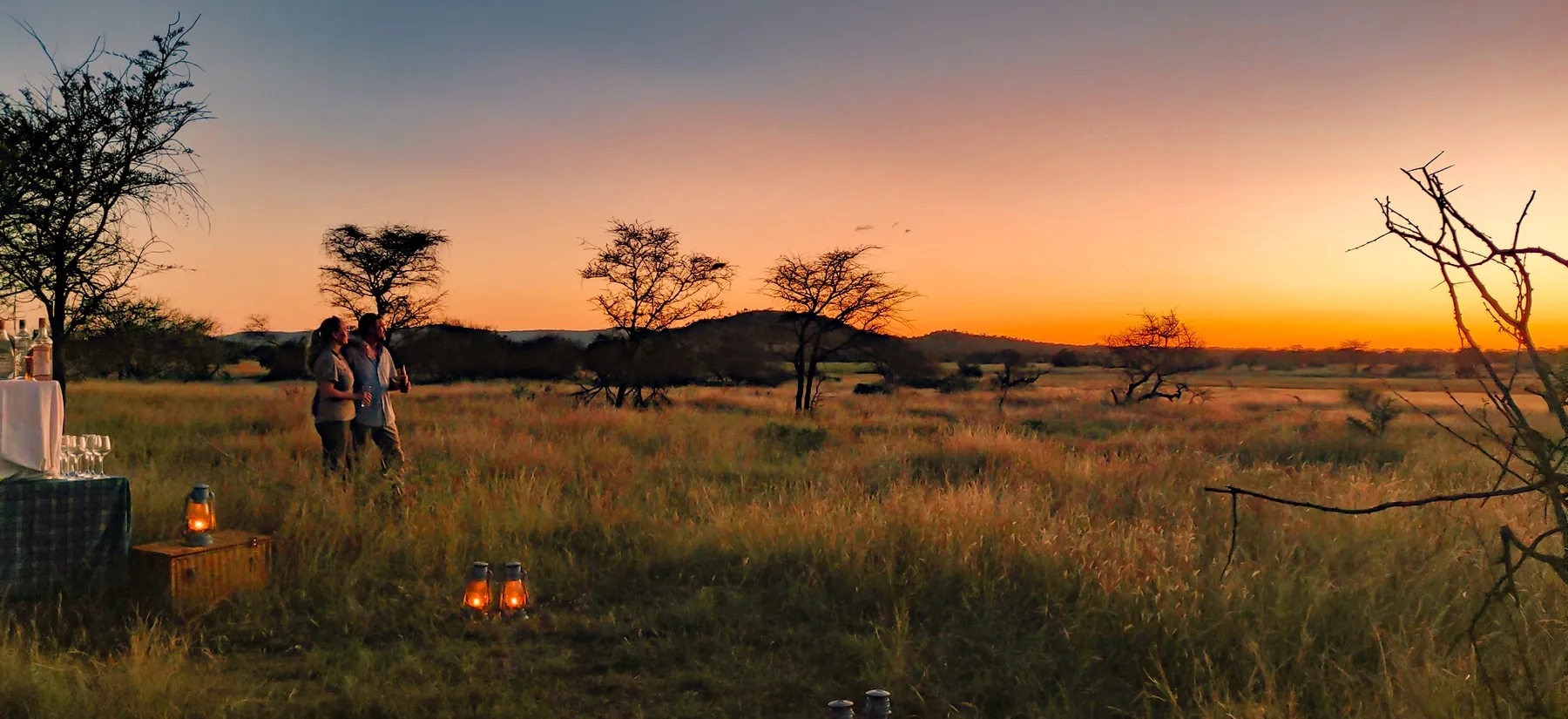
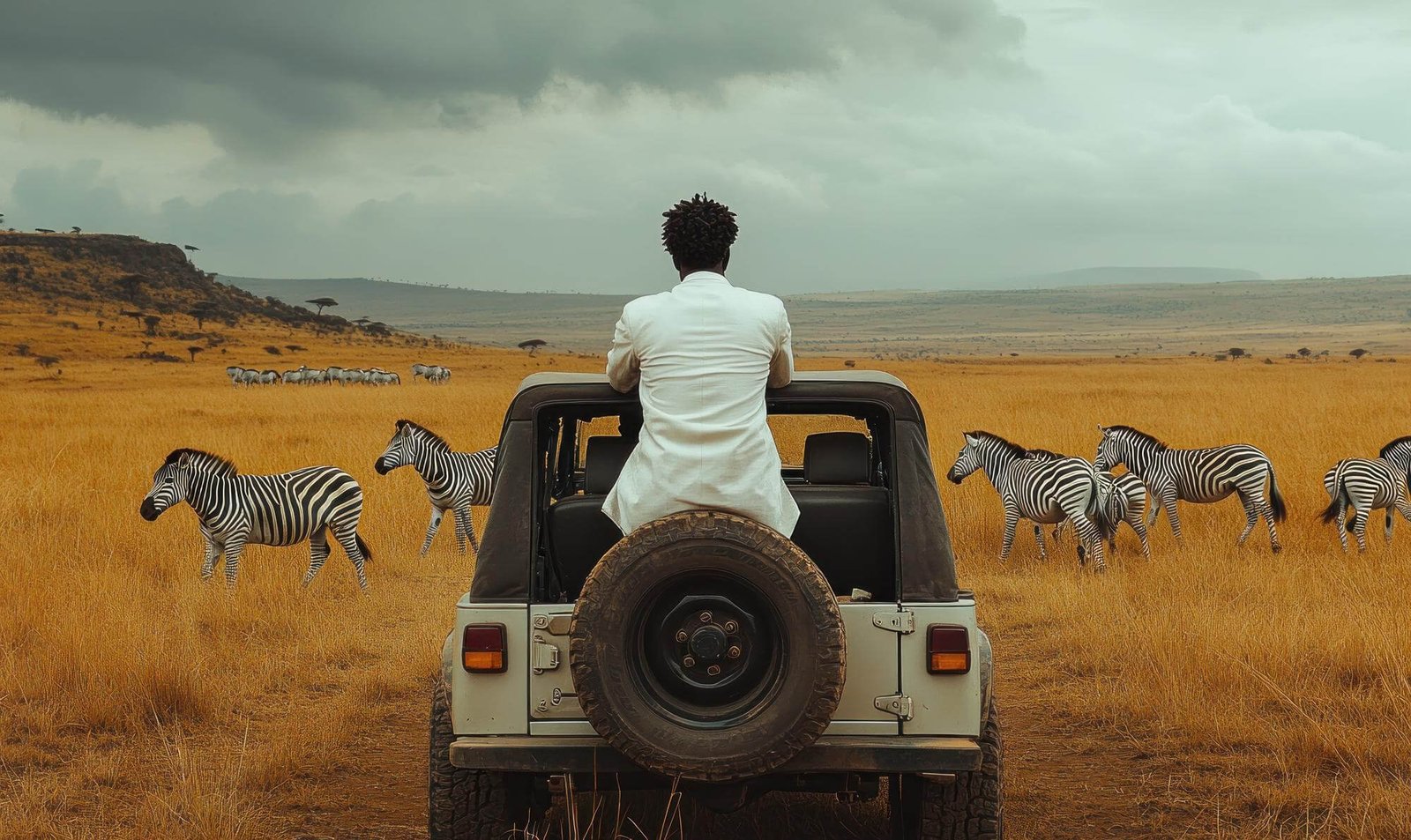
An Africa safari trip is a wildlife-focused holiday that allows you to explore the continent’s national parks, conservation areas, and wilderness landscapes while observing animals in their natural habitats. Depending on your interests, you can experience the Great Wildebeest Migration in East Africa, track the Big Five in Southern Africa, enjoy luxury safari lodges, or combine game drives with beach destinations.
For most first-time visitors, an African safari trip works best when planned around three things: the wildlife you want to see, the countries you want to explore, and the budget you want to spend. East Africa is particularly popular for open savannahs and the Great Migration, while Southern Africa offers diverse landscapes, private reserves, and different safari styles.
Whether you are planning a romantic getaway, a family holiday, or a luxury wildlife adventure, choosing the right destination and itinerary can make your experience more rewarding.
Which African Countries Are Best for a Safari Trip?
Africa has several outstanding safari destinations, but each country offers a different combination of wildlife, scenery, accommodation, and travel experiences. The right choice depends on what you want to see and how you prefer to travel.
1. Tanzania: For the Serengeti and Great Wildebeest Migration
Tanzania is an excellent destination for travelers interested in classic African wildlife experiences. Its national parks feature open grasslands, volcanic landscapes, woodlands, and habitats supporting a wide variety of animals.
The country’s best-known safari destinations include:
- Serengeti National Park: Famous for lions, leopards, cheetahs, elephants, and the Great Wildebeest Migration.
- Ngorongoro Conservation Area: Known for its spectacular crater landscape and concentrated wildlife.
- Tarangire National Park: Particularly appealing for elephants, baobab trees, and seasonal wildlife viewing.
- Lake Manyara National Park: Offers varied habitats, birdlife, and opportunities to observe different wildlife species.
A Tanzania safari can be especially attractive for visitors who want to explore several destinations in one journey. You can also extend your holiday to Zanzibar for beaches, cultural experiences, and coastal relaxation.
Explore these Tanzania Safari Packages to understand how a Northern Circuit itinerary can combine multiple wildlife destinations.
2. Kenya: For the Maasai Mara and Classic Safari Experiences
Kenya is another popular destination for an African safari trip. Its landscapes range from open savannahs and mountain viewpoints to lakes and conservation areas.
The Maasai Mara National Reserve is particularly famous for its wildlife and the seasonal Great Wildebeest Migration activity. Other destinations include Amboseli National Park, known for elephant sightings and views of Mount Kilimanjaro, and Lake Nakuru, which attracts visitors interested in birdlife and wildlife viewing.
Kenya can also be combined with Tanzania for travelers who want to explore different parts of the wider Serengeti-Mara ecosystem.
3. South Africa: For Big Five Safaris and Flexible Travel
South Africa offers a variety of safari experiences, including national parks, private game reserves, and luxury safari lodges.
Kruger National Park is one of its best-known wildlife destinations. Visitors can explore the park through guided game drives or, in suitable areas and under park regulations, self-drive experiences.
South Africa is also convenient for travelers who want to combine wildlife viewing with other holiday experiences. Cape Town, the Garden Route, and coastal destinations can add variety to a longer trip.
4. Botswana: For Remote Wilderness and Water Safaris
Botswana is known for its protected wilderness areas and distinctive safari experiences. The Okavango Delta is particularly famous for its waterways, wetlands, and opportunities to explore the landscape through selected water-based activities.
Chobe National Park is another popular destination, especially for its elephant populations.
Botswana can be a good choice for travelers seeking smaller camps, remote surroundings, and a more exclusive safari atmosphere. However, some fly-in and luxury experiences can require a higher budget.
5. Uganda and Rwanda: For Mountain Gorilla Trekking
If your interests extend beyond traditional game drives, Uganda and Rwanda offer opportunities to see mountain gorillas in their natural forest habitats.
Gorilla trekking is a guided activity that requires appropriate permits and advance planning. It is different from a traditional savannah safari, but it can be an unforgettable addition to an African wildlife holiday.
East Africa vs. Southern Africa: Which Should You Choose?
One of the most important decisions when planning an Africa safari trip is choosing between East Africa and Southern Africa.
Both regions offer remarkable wildlife experiences, but their landscapes, safari styles, and travel opportunities differ.
| Feature | East Africa | Southern Africa |
|---|---|---|
| Main destinations | Tanzania, Kenya, Uganda, Rwanda | South Africa, Botswana, Namibia, Zambia, Zimbabwe |
| Signature experiences | Great Migration, open plains, gorilla trekking | Big Five viewing, water safaris, walking safaris |
| Landscapes | Savannahs, grasslands, volcanic highlands | Bushveld, wetlands, deserts, river landscapes |
| Safari style | Guided 4×4 game drives, fly-in safaris | Guided drives, private reserves, self-drive options |
| Accommodation | Tented camps, luxury lodges, safari camps | Private lodges, wilderness camps, luxury resorts |
| Additional experiences | Zanzibar beaches, Kilimanjaro, cultural visits | Cape Town, Victoria Falls, desert adventures |
Which region is right for you?
Choose East Africa if you want to experience the Serengeti, Maasai Mara, and Great Wildebeest Migration. It is also a strong option if you want to combine wildlife viewing with Zanzibar or gorilla trekking.
Consider Southern Africa if you prefer a combination of private reserves, varied landscapes, self-drive opportunities, or city and coastal experiences alongside your safari.
There is no single best region for everyone. Your interests, travel dates, and budget should guide the decision.
What Wildlife Can You See on an Africa Safari Trip?
Wildlife is often the main reason people plan an African safari. Different countries and ecosystems support different species, so your destination should reflect the animals you most want to observe.
Some of the most popular safari animals include
- Lions: Often seen resting, moving in prides, or observing their surroundings across grasslands.
- Leopards: More elusive predators that are frequently found around trees and rocky habitats.
- Elephants: Often encountered in family groups moving through woodlands and open areas.
- Buffaloes: Commonly seen in herds across suitable grassland and woodland habitats.
- Rhinoceroses: Protected in selected conservation areas, although sightings can be challenging.
- Cheetahs: Known for their speed and preference for open landscapes.
- Giraffes: Recognizable for their height and distinctive feeding behavior.
- Zebras and wildebeest: Important grazing animals, particularly in the Serengeti-Mara ecosystem.
The traditional Big Five consists of lions, leopards, elephants, rhinoceroses, and buffaloes. Seeing all five on one safari is possible in some destinations, but sightings are never guaranteed.
For more information about these iconic animals, explore our guide to the Big 5 Safari in Africa.
When Is the Best Time to Plan an Africa Safari Trip?
The best time for an African safari depends on the country, weather conditions, and wildlife experiences you want.
Many safari destinations have dry and wet seasons, and these can influence animal movements, road conditions, accommodation rates, and game-viewing opportunities.
June to October: Popular Dry-Season Travel
In several East and Southern African safari destinations, the dry season offers favorable wildlife-viewing conditions.
Vegetation may become thinner, and animals can gather around remaining water sources. These conditions can make wildlife easier to spot in certain areas.
This period is also popular with travelers, so booking accommodation and safari activities in advance is advisable.
November to March: Green Landscapes and Calving Season
The greener months can offer lush scenery, dramatic skies, and excellent photographic opportunities.
In the southern Serengeti and nearby Ndutu plains, the wildebeest calving season generally takes place around the beginning of the year. This can attract predators and create opportunities to observe wildlife behavior.
April to May: Rainy-Season Travel
Some destinations experience heavier rainfall during this period. The landscapes can be particularly beautiful, and selected properties may offer more attractive rates.
However, wet weather can affect road conditions and transfers, so a flexible itinerary is helpful.
If Tanzania is your main destination, read our guide to the Best Time for Serengeti Safari before selecting your travel dates.
How Much Does an Africa Safari Trip Cost?
The cost of an Africa safari trip varies depending on the destination, accommodation, number of travelers, season, transportation, and activities included.
A budget camping safari will generally cost less than a private luxury safari with premium lodges and domestic flights.
For an initial planning estimate, consider these broad accommodation and travel styles:
| Safari style | What you can generally expect |
|---|---|
| Budget | Camping, simpler accommodation, shared transport, and group activities |
| Mid-range | Comfortable lodges or tented camps, guided game drives, and practical facilities |
| Luxury | Premium lodges, quality dining, personalized service, and selected private experiences |
| Ultra-luxury | Exclusive camps, high-end suites, private guides, and fly-in arrangements |
These are accommodation and experience categories rather than fixed price quotes. Actual costs differ considerably between countries and travel seasons.
What Factors Affect Your Safari Budget?
1. Destination: Park fees, accommodation rates, and transport costs vary between countries and protected areas.
2. Travel season: Popular migration periods and peak travel months can increase accommodation demand.
3. Accommodation: Camping, standard lodges, luxury tented camps, and private suites have different price levels.
4. Transportation: Road transfers may be more economical, while domestic flights can save travel time.
5. Private or shared game drives: A dedicated vehicle and guide usually cost more than joining a shared safari.
6. Trip duration: More nights mean additional accommodation, meals, park fees, and activities.
When comparing packages, check whether park fees, meals, transfers, drinks, and optional activities are included. A lower advertised price may not represent the lowest total holiday cost.
How Many Days Do You Need for an African Safari?
Your ideal trip length depends on how many destinations you want to explore and how much time you have available.
Here is a general guide:
| Trip duration | Suggested experience |
|---|---|
| 3–5 days | Explore one main safari destination |
| 6–8 days | Visit two or three destinations at a comfortable pace |
| 9–12 days | Combine multiple parks or regions |
| 13–14 days | Enjoy a longer safari with additional cultural or beach experiences |
Example: A Seven-Day Tanzania Safari
A seven-day itinerary can provide a good introduction to northern Tanzania.
- Days 1–2: Explore Tarangire National Park and its elephant habitats.
- Day 3: Travel toward the Ngorongoro area and enjoy the highland scenery.
- Days 4–6: Explore the Serengeti through guided game drives.
- Day 7: Return toward your departure point or continue to another destination.
This is an illustrative route. Actual travel times and the number of nights in each destination should be adjusted to your arrival arrangements, accommodation, and wildlife priorities.
If you want a more personalized experience, consider a Private Safari Tanzania itinerary that allows you to discuss destinations, accommodation, and game-drive preferences.
Should You Choose a Luxury or Private Africa Safari Trip?
Your safari style influences how you experience the destination.
A shared group safari can be a practical choice if you want to manage costs while enjoying guided wildlife viewing. It also provides an opportunity to meet other travelers.
A private safari offers greater flexibility because your vehicle and guide are dedicated to your group. You may have more control over the daily schedule, subject to park regulations and the guide’s recommendations.
A luxury safari in Africa may include premium accommodation, personalized service, quality dining, and selected special experiences.
For couples planning a romantic holiday, a Honeymoon Tanzania Safari can combine wildlife adventures with comfortable accommodation and special moments in the wilderness.
You can also consider Private Game Drives in Tanzania if flexibility and personalized wildlife viewing are important to you.
What Should You Know Before Traveling on an African Safari?
Good preparation helps make your safari more comfortable and reduces last-minute complications.
Travel Documents and Entry Requirements
Check passport validity, visa requirements, and entry regulations for every country on your itinerary. If your trip includes multiple countries, confirm the requirements for each destination before departure.
Vaccinations and Health Preparation
Health recommendations depend on the countries and regions you plan to visit, your travel history, and your personal circumstances.
Speak with a qualified travel-health professional well before departure. Ask about recommended vaccinations, malaria prevention where relevant, and any country-specific requirements, including yellow fever documentation.
Travel Insurance
Choose travel insurance that covers medical expenses, emergency assistance, trip cancellation, and activities included in your itinerary. Check whether your policy covers remote-area evacuation if you are visiting isolated safari destinations.
What to Pack
Useful safari essentials include:
- Lightweight, breathable clothing.
- Neutral-colored outfits for game drives.
- A warm layer for early mornings.
- Comfortable walking shoes.
- Sunglasses and a sun hat.
- Sunscreen and insect repellent.
- Binoculars and a camera.
- Personal medication and travel documents.
Always check luggage restrictions if your itinerary includes small aircraft or fly-in safari transfers.
How Do You Choose a Reliable African Safari Operator?
The safari operator you choose can influence your accommodation, itinerary, transport, guiding, and overall travel experience.
Before booking, consider the following:
- Destination knowledge: Does the operator understand the parks and seasonal wildlife movements?
- Clear itineraries: Are travel times, activities, and accommodation explained?
- Transparent pricing: Are park fees, meals, transfers, and optional extras clearly listed?
- Accommodation choices: Can the itinerary be adjusted to suit your preferred comfort level?
- Communication: Are questions answered clearly before payment?
- Booking terms: Are payment schedules and cancellation conditions provided in writing?
Choose a Tanzania safari operator that can explain the itinerary and help you understand what is included before you make a commitment.
People Also Ask About and Frequently Asked Questions about Africa Safari Trip
1. Which African country is best for a first safari?
Tanzania, Kenya, and South Africa are popular choices for first-time safari travelers. Tanzania and Kenya are known for their open savannah landscapes and migration experiences, while South Africa offers a variety of national parks, private reserves, and self-drive opportunities.
2. How long should an Africa safari trip be?
A trip of 7 to 10 days can provide a good introduction to one or two safari regions. Longer holidays allow travelers to explore multiple parks, add cultural experiences, or combine wildlife viewing with a beach stay.
3. How much does a seven-day African safari cost?
The cost depends on the country, season, accommodation, transportation, and safari style. Budget camping, mid-range lodge packages, and luxury private safaris have very different price structures. Request a detailed quote based on your travel dates and group size.
4. Is East Africa or Southern Africa better for a safari?
East Africa is particularly popular for the Great Wildebeest Migration, open plains, and classic savannah wildlife experiences. Southern Africa offers private reserves, diverse landscapes, and options such as water-based safaris and self-driving. The better choice depends on your interests.
5. Can you combine an African safari with a beach holiday?
Yes. Tanzania and Zanzibar are a popular combination, allowing travelers to explore national parks before relaxing along the Indian Ocean coast. Kenya and other coastal destinations also offer safari-and-beach combinations.
6. What is included in an African safari package?
A safari package may include accommodation, meals, park fees, guided game drives, transfers, and selected activities. Inclusions vary by operator and itinerary, so always request a written breakdown before booking.
7. Is an African safari suitable for families?
Yes. Many safari destinations offer family-friendly accommodation and guided activities. However, age restrictions, vehicle arrangements, and children’s facilities differ between properties, so check these details before confirming your trip.
8. Can I see the Big Five on one safari?
It is possible in some destinations, including selected areas of Tanzania, Kenya, and South Africa. However, sightings depend on wildlife movements and natural conditions, so seeing all five animals is never guaranteed.
9. Is a private safari worth the additional cost?
A private safari can be worthwhile if you value flexibility, privacy, and a vehicle dedicated to your group. Shared safaris can offer a more economical way to experience guided wildlife viewing.
10. Should I book an African safari in advance?
Booking in advance is advisable, particularly for peak travel periods, popular migration locations, and smaller luxury camps. Early planning gives you more accommodation choices and time to organize permits, flights, and transfers.
Start Planning Your Africa Safari Trip
An Africa safari trip can be a remarkable way to experience the continent’s wildlife, landscapes, and cultures. From the Great Wildebeest Migration in Tanzania and Kenya to elephant encounters in Botswana and Big Five game drives in South Africa, every destination offers a different perspective on African wilderness.
The best itinerary is one that matches your interests, travel dates, budget, and preferred level of comfort. Take time to compare destinations, understand seasonal conditions, and choose accommodation that gives you convenient access to the experiences you want.
Planning a Tanzania safari? Explore our safari packages and start building an itinerary around your preferred destinations, accommodation, and wildlife experiences.